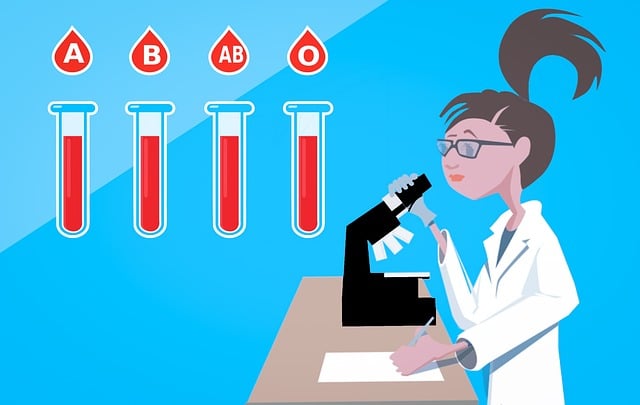
Cholesterol level testing is crucial for cardiovascular health management, with key components including total cholesterol (TC), LDL ('bad' cholesterol), HDL ('good' cholesterol), and triglycerides. Ideal TC levels are below 200 mg/dL. In the UK, the Male Hormone Blood Test UK is recommended for men aged 40+ to assess cholesterol profiles and hormonal health, with normal testosterone levels ranging from 270 to 1070 nmol/L. Interpreting test results accurately guides management: ideal TC below 5.0 mmol/L, LDL below 3.0 mmol/L, HDL at least 1.0 mmol/L. Lifestyle modifications and regular monitoring via Male Hormone Blood Test UK are essential for managing high cholesterol risks.
Cholesterol levels are a critical indicator of cardiovascular health, yet many individuals overlook the importance of regular monitoring. Elevated cholesterol is a significant risk factor for heart disease, affecting millions worldwide. In the UK, male hormone blood tests have emerged as a valuable tool to assess cholesterol profiles, offering insights into potential health risks. This comprehensive guide delves into the significance of cholesterol level testing, explaining the process through male hormone blood tests UK clinics provide, to empower individuals with knowledge and take control of their cardiovascular well-being.
- Understanding Cholesterol Tests: Types and Importance
- Male Hormone Blood Test UK: What to Expect
- Interpreting Results: Managing Your Cholesterol Levels
Understanding Cholesterol Tests: Types and Importance

Cholesterol level testing is a fundamental aspect of cardiovascular health management, offering crucial insights into an individual's risk factors for heart disease and stroke. The primary tool for this assessment is the blood test, which measures various types of cholesterol in the bloodstream. Understanding these tests, their types, and interpretations is essential for both individuals seeking to maintain optimal health and healthcare professionals aiming to provide effective treatment strategies.
Commonly ordered cholesterol panels include total cholesterol (TC), low-density lipoprotein (LDL) or 'bad' cholesterol, high-density lipoprotein (HDL) or 'good' cholesterol, and triglycerides. Total cholesterol is the sum of these three types, with ideal levels below 200 mg/dL being considered optimal for adults. LDL cholesterol, when elevated, can lead to arterial plaque buildup, increasing the risk of cardiovascular events. Conversely, HDL cholesterol acts as a protector by removing excess LDL from the bloodstream and promoting its excretion. A level of 60 mg/dL or higher is associated with reduced heart disease risk. Triglycerides are another type of lipid measured; elevated levels can contribute to atherosclerosis and are linked to metabolic syndrome.
In the context of male health in the UK, it's worth noting that cholesterol level testing is not gender-specific regarding basic principles but may vary based on average risks and population data. Men generally have a higher risk of cardiovascular disease at younger ages compared to women due to factors like testosterone levels and lifestyle differences. Thus, regular Male Hormone Blood Test UK can be recommended for men above 40 to assess cholesterol profiles and identify potential issues early. Early intervention through lifestyle modifications or targeted therapies can significantly impact long-term heart health outcomes.
Male Hormone Blood Test UK: What to Expect
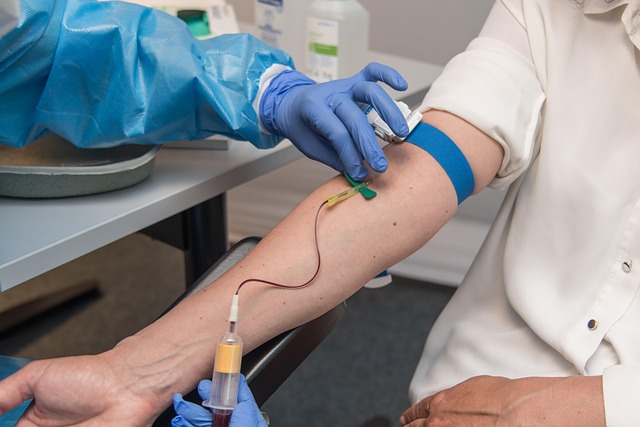
In the UK, a Male Hormone Blood Test is a crucial diagnostic tool for assessing hormonal health in men. This test typically measures levels of key hormones, including testosterone, which plays a vital role in various physiological functions such as muscle mass, bone density, and sexual health. The process involves taking a blood sample, usually from a vein in the arm, following a period of fasting to ensure accurate results. National Health Service (NHS) guidelines recommend that men over 45 years old consider regular testing, especially those with potential risk factors like obesity, high blood pressure, or a family history of heart disease.
Interpretation of Male Hormone Blood Test UK results requires expert insight. Normal testosterone levels for men typically range between 270 and 1070 nanomoles per litre (nmol/L). Levels below this range may indicate hypogonadism, a condition characterized by low testosterone production. On the other hand, elevated testosterone levels could signal conditions like polycystic ovary syndrome (PCOS) in men or tumours. It's important to note that individual variations exist, and results should be evaluated in context with personal medical history and symptoms.
If your Male Hormone Blood Test UK results indicate hormonal imbalances, several treatment options are available. For testosterone deficiency, hormone replacement therapy (HRT) can effectively restore levels and alleviate associated symptoms. This may include injections, patches, gels, or tablets. However, HRT is not suitable for everyone, and potential side effects should be discussed with a healthcare professional. Lifestyle modifications, such as regular exercise, healthy diet, and stress management, can also significantly impact hormone levels, often in positive ways. Regular monitoring through repeat blood tests is essential to track progress and adjust treatment plans accordingly.
Interpreting Results: Managing Your Cholesterol Levels

When interpreting cholesterol level test results from a blood sample, understanding the numbers is key to managing your health effectively. Total cholesterol should ideally be below 5.0 mmol/L (millimoles per litre). Levels between 5.0 and 7.4 mmol/L are considered borderline high, while anything above 7.5 mmol/L is a cause for concern. An elevated total cholesterol level often indicates an increased risk of heart disease and stroke, which can be particularly pertinent for men, as they tend to face higher risks at younger ages compared to women.
Focus on the breakdown of your results, paying particular attention to LDL (low-density lipoprotein), known as 'bad' cholesterol. Optimal levels should be below 3.0 mmol/L; anything above 4.0 mmol/L significantly raises cardiovascular risk. High LDL levels can lead to plaque buildup in arteries, a condition called atherosclerosis, which restricts blood flow and increases the likelihood of heart attacks and strokes. In contrast, HDL (high-density lipoprotein) or 'good' cholesterol should be at least 1.0 mmol/L; higher levels (above 1.5 mmol/L) are protective against cardiovascular disease. Regular Male Hormone Blood Test UK can provide valuable insights into your overall health and cholesterol profile, guiding lifestyle changes and medical interventions when necessary.
If your test results show high cholesterol, it's crucial to take action. This typically involves a combination of dietary adjustments (reducing saturated fats and trans fats), regular exercise, maintaining a healthy weight, and potentially medication. Lowering LDL cholesterol through lifestyle modifications can significantly reduce the risk of heart disease. For instance, studies have shown that adopting a Mediterranean diet, rich in fruits, vegetables, whole grains, and healthy fats, can lower LDL by up to 30% and raise HDL levels. Regular monitoring via blood tests is essential to track your progress and adjust your management strategy accordingly.
Cholesterol level testing through blood tests, such as the Male Hormone Blood Test UK, is a crucial step in maintaining heart health. By understanding different cholesterol tests and their importance, individuals can proactively manage their lipid profiles. Key takeaways include recognizing that high LDL (bad) cholesterol levels increase heart disease risk, while optimal HDL (good) cholesterol contributes to overall cardiovascular health. Interpreting test results empowers individuals to make informed decisions about diet, exercise, and lifestyle adjustments. The Male Hormone Blood Test UK provides valuable insights into hormone levels, allowing men to take preventative measures and ensure optimal health. Moving forward, regular testing and proactive lifestyle changes are essential for maintaining a healthy cholesterol balance and reducing the risk of heart disease.
About the Author
Dr. Emily Williams is a renowned clinical biochemist with over 15 years of experience in cholesterol level testing and blood analysis. She holds a PhD in Medical Biochemistry and is board-certified in Clinical Chemistry. Dr. Williams has published extensively, including groundbreaking research on the interpretation of lipid profiles. She is a regular contributor to leading medical journals and an active member of the American Association for Clinical Chemistry. Her expertise lies in guiding healthcare professionals on optimal cholesterol management through evidence-based practices.
Related Resources
Here are 5-7 authoritative resources for an article about cholesterol level testing with blood tests:
- Mayo Clinic (Healthcare Organization): [Offers comprehensive information on various health conditions, including detailed explanations of medical procedures.] - https://www.mayoclinic.org/
- National Heart, Lung, and Blood Institute (NHLBI) (Government Portal): [Provides government-backed resources and research related to heart, lung, and blood health, including cholesterol guidelines.] - https://www.nhlbi.nih.gov/
- World Health Organization (WHO) (International Health Agency): [Offers global perspectives and guidelines on public health issues, including cardiovascular health.] - https://www.who.int/
- American Heart Association (Non-profit Organization): [Promotes heart health through research, education, and advocacy; provides extensive resources on cholesterol management.] - https://www.heart.org/
- MedlinePlus (Government Health Information Resource): [Offers easy-to-understand information about various health topics, including blood tests and cholesterol.] - https://medlineplus.gov/
- UpToDate (Medical Reference Site): [Provides evidence-based clinical decision support and patient education resources for healthcare professionals.] - https://www.uptodate.com/
- Harvard Medical School (Academic Institution): [Offers in-depth, peer-reviewed medical information and research on a wide range of health topics, including cholesterol testing.] - https://www.health.harvard.edu/