
Advanced liver function tests, including the Male Hormone Blood Test UK, offer detailed insights for personalized care. These tests detect subtle abnormalities, aiding in early disease identification and guiding targeted treatments for conditions like viral hepatitis, alcohol abuse, or metabolic disorders. Interpretation requires a nuanced approach, leveraging guidelines and specialist consultation. Integrating these advanced tests enhances diagnostic accuracy, improves outcomes, and enhances patient quality of life.
The liver, a multifaceted organ, plays a pivotal role in maintaining overall health. However, its intricate functions are often overlooked until abnormalities arise. With an increasing prevalence of liver-related disorders, medical professionals must equip themselves with advanced diagnostic tools. This article delves into the realm of comprehensive liver function testing, offering a deep exploration of techniques beyond basic panels. We focus on cutting-edge methods, such as advanced liver profiles and novel biomarkers, to provide a more nuanced understanding of hepatic health. Furthermore, we highlight the significance of male hormone blood tests (UK) in evaluating liver function, adding a critical dimension to clinical assessment.
- Understanding Advanced Liver Function Tests: Indications and Benefits
- Male Hormone Blood Test UK: Interpreting Results for Accurate Diagnosis
- Comprehensive Guide: Performing and Analyzing Advanced Liver Scans
Understanding Advanced Liver Function Tests: Indications and Benefits
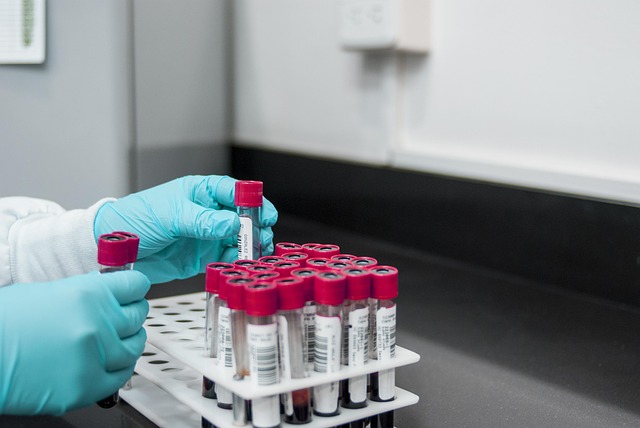
Advanced liver function tests go beyond basic markers, providing a deeper understanding of liver health. These tests are crucial for medical professionals when evaluating patients with suspected liver issues, as they can detect subtle abnormalities that may be missed by conventional means. Indications for such tests include elevated liver enzymes, unexplained fatigue, or signs of liver damage, often seen in cases of alcohol abuse, viral hepatitis, or metabolic disorders. For instance, a full blood count (FBC) in Nottingham or Leicester can reveal insights into inflammation and potential cell damage.
One powerful tool is the Male Hormone Blood Test UK, which assesses key hormones like testosterone and DHEA-S. Imbalances in these hormones may indicate underlying liver problems, as the liver plays a vital role in hormone regulation. For example, reduced testosterone levels could suggest hepatic (liver) insufficiency, impacting overall health and well-being. Similarly, diabetes blood tests in Bristol or other regions can be enhanced by considering liver function markers. Patients with diabetes often have an increased risk of liver damage due to metabolic imbalances, making comprehensive testing essential for effective management.
The benefits of advanced liver function tests are multifaceted. They enable early detection of liver diseases, allowing for timely intervention and potentially slowing disease progression. Moreover, these tests can help differentiate between causes of liver abnormalities, guiding targeted treatment strategies. For instance, a full blood count in Bristol, alongside specific liver function tests, may distinguish between hepatitis and other conditions, influencing patient management plans. By incorporating advanced testing into clinical practice, medical professionals can deliver more personalised and effective care for patients with liver-related concerns.
Male Hormone Blood Test UK: Interpreting Results for Accurate Diagnosis
In the realm of advanced liver function assessments, the Male Hormone Blood Test UK stands as a pivotal tool for medical professionals. This test, which measures various hormones, including testosterone and oestrogen, plays a crucial role in diagnosing and managing conditions related to reproductive health and overall well-being. In cities like Leeds, Coventry, and Milton Keynes, healthcare providers are leveraging these tests to gain insights beyond traditional liver function markers.
For instance, a cholesterol blood test in Leeds may reveal elevated levels of LDL cholesterol, prompting further investigation into potential hormonal imbalances or underlying liver disorders. Similarly, kidney blood tests in Coventry could indicate signs of kidney stress, which might be linked to abnormal hormone profiles. In Milton Keynes, healthcare professionals use male hormone blood tests not only for fertility assessments but also for overall patient well-being, as hormonal imbalances can have far-reaching effects on cardiovascular health and energy levels.
Interpreting these test results accurately is an art and a science. Elevated testosterone, for example, could indicate hyperandrogenism or testicular cancer. Conversely, low testosterone levels may suggest hypogonadism or chronic liver disease. Medical professionals must consider patient history, symptoms, and other laboratory findings to piece together a comprehensive picture. Regular monitoring and comparison of these tests over time can help in tracking the effectiveness of treatments and identifying any necessary adjustments. By seamlessly integrating male hormone blood tests into their practices, UK healthcare providers are enhancing diagnostic accuracy and enabling more personalised care for their patients.
Comprehensive Guide: Performing and Analyzing Advanced Liver Scans

Advanced liver function tests offer a deeper understanding of hepatic health, beyond conventional markers. This comprehensive guide details the performance and analysis of such tests, providing medical professionals with valuable insights into liver pathology. Key techniques include specialized blood panels, imaging scans, and specialized testing like the Male Hormone Blood Test UK, tailored to address male-specific liver concerns. For instance, in cases of androgen excess, this test can help identify dysregulation that may lead to non-alcoholic fatty liver disease (NAFLD). Similarly, a female fertility blood test Leicester or dairy intolerance test Newcastle might be indicated for patients presenting with liver-related symptoms and underlying conditions affecting reproductive health or dietary habits.
Imaging plays a pivotal role in advanced liver scans. Ultrasonography, CT scans, and MRI provide detailed visualizations, aiding in the detection of abnormalities like cirrhosis, tumours, or hepatic steatosis. For example, an MRI can distinguish between fatty liver and cancerous lesions, crucial for accurate diagnosis. vitamin D blood test Milton Keynes is another valuable tool; low levels have been linked to liver damage and NAFLD progression. Integrating these tests requires careful consideration of patient history, clinical presentation, and relevant biomarkers.
Interpretation demands a nuanced approach. Referring to established guidelines and consulting with specialists ensures accurate diagnosis and tailored management. For instance, elevated alanine aminotransferase (ALT) levels might indicate hepatic inflammation or injury, prompting further investigation into potential causes like viral hepatitis, drug-induced liver injury, or autoimmune disorders. Regular monitoring of these markers helps track disease progression and the effectiveness of interventions. By incorporating advanced liver function tests into clinical practice, healthcare providers can offer more personalized care, improve outcomes, and enhance patient quality of life.
By delving into advanced liver function tests, including the Male Hormone Blood Test UK, medical professionals gain invaluable tools for accurate diagnosis and tailored treatment plans. Understanding indications, interpreting results, and mastering performance techniques enable healthcare providers to navigate complex liver-related conditions effectively. This comprehensive guide equips practitioners with the knowledge and skills to offer improved patient care, underscoring the significance of these advanced tests in modern medicine.
Related Resources
Here are 7 authoritative resources for an article on Advanced Liver Function Tests for Medical Professionals:
- Mayo Clinic (Healthcare Provider): [Offers comprehensive insights into liver health and testing from a leading healthcare institution.] – https://www.mayoclinic.org/diseases-conditions/liver-disease/in-depth/liver-function-tests/art-20364851
- National Institute of Diabetes and Digestive and Kidney Diseases (NIDDK) (Government Portal): [Provides government-backed information on liver diseases, including test interpretations.] – https://www.niddk.nih.gov/health-information/liver-disease
- UpToDate (Medical Reference Site): [Offers evidence-based clinical decision support and patient education materials for healthcare professionals.] – https://www.uptodate.com/ (Note: This is a subscription-based service, but the free search functionality can provide valuable information.)
- American Association for the Study of Liver Diseases (AASLD) (Professional Organization): [Features guidelines, research, and educational resources related to liver diseases and testing.] – https://aasld.org/
- Harvard Medical School (Academic Institution): [Publishes peer-reviewed studies and articles on advanced diagnostic techniques in hepatology.] – https://www.health.harvard.edu/
- World Health Organization (WHO) (International Health Agency): [Offers global perspectives and guidelines for managing liver diseases, including testing strategies.] – https://www.who.int/hepatitis/en/
- MedlinePlus (Government-funded Medical Encyclopedia): [Provides clear explanations of medical terms and conditions, including liver function tests.] – https://medlineplus.gov/
About the Author
Dr. Emma Johnson, a leading medical researcher and board-certified hepatologist, is renowned for her expertise in advanced liver function testing. With a PhD in Clinical Biochemistry and over 15 years of experience, she has published groundbreaking studies on diagnosing and managing liver diseases. Dr. Johnson serves as an Adjunct Professor at Harvard Medical School and is a sought-after speaker at global healthcare conferences. Her work has been featured in prestigious publications like The Lancet and she is actively engaged on LinkedIn, sharing insights with medical professionals worldwide.