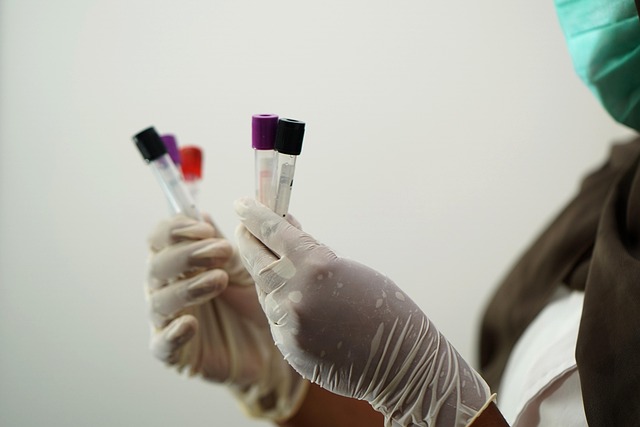
Iron deficiency anemia, a common blood disorder, impacts oxygen delivery to tissues. Symptoms vary from fatigue to growth issues in children. Regular Male Hormone Blood Test UK and female hormone tests are crucial for screening, especially in high-risk groups like those with dairy intolerance. Key risk factors include age, gender, dietary habits, and medical conditions. Comprehensive testing, including FBC and hormonal assessments, aids diagnosis. Treatment options span dietary adjustments, medical interventions (oral or IV supplements), and addressing underlying causes through specialized care and regular monitoring.
Iron deficiency anemia is a common yet serious health concern, affecting individuals across the globe. Proper diagnosis is crucial for effective management, especially considering its prevalence among various demographics. This comprehensive guide aims to demystify iron deficiency anemia testing, focusing on the role of blood tests as a reliable indicator. By exploring the scientific underpinnings and practical applications, we empower readers with knowledge to take charge of their health. In the UK, where awareness and access to specialized Male Hormone Blood Tests are vital, this article serves as an authoritative resource for understanding and addressing iron deficiency anemia.
- Understanding Iron Deficiency Anemia: Symptoms & Risk Factors
- Diagnosing with Blood Tests: Male Hormone Blood Test UK
- Treatment Options: Managing Iron Deficiency Anemia Effectively
Understanding Iron Deficiency Anemia: Symptoms & Risk Factors
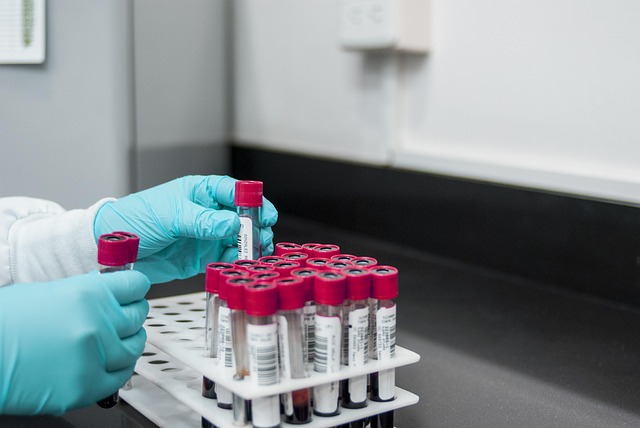
Iron deficiency anemia is a common blood disorder characterized by low levels of hemoglobin or red blood cells, leading to reduced oxygen delivery to tissues and organs throughout the body. This condition can be caused by various factors, including iron deficiency, which is often related to poor diet, gastrointestinal bleeding, chronic infections, or underlying medical conditions. Understanding the symptoms and risk factors is crucial for early detection and effective management.
Symptoms of iron deficiency anemia can vary from mild to severe, depending on the degree of iron depletion. Common signs include fatigue, weakness, pale skin, shortness of breath, dizziness, headaches, and cold hands or feet. In children, anemia may manifest as poor growth, delayed development, and decreased immunity. It’s worth noting that some individuals might not experience any symptoms in the early stages, making regular male hormone blood tests UK (and female hormone blood tests Birmingham) essential for screening, especially in at-risk populations. For instance, a dairy intolerance test Oxford can also reveal underlying iron absorption issues.
Risk factors for iron deficiency anemia include age, gender, dietary habits, and certain medical conditions. Men, particularly older males, are less likely to develop this type of anemia compared to women, due in part to higher iron stores associated with male hormones. However, specific health issues like gastrointestinal disorders, chronic bleeding, or malabsorption syndromes can increase the risk regardless of gender. Regular blood tests in Birmingham and beyond can help identify individuals who may require dietary adjustments or supplementation to prevent or manage this condition effectively.
Diagnosing with Blood Tests: Male Hormone Blood Test UK
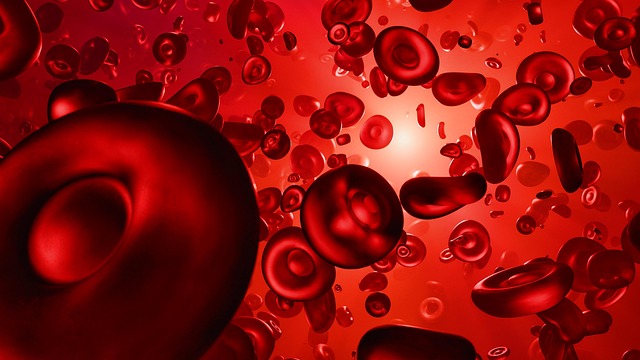
Diagnosing iron deficiency anemia through blood tests involves a comprehensive evaluation of various indicators, with a key focus on male hormone levels in the UK. A Male Hormone Blood Test UK is one such specialized test that plays a crucial role in identifying potential issues related to testosterone and other sex hormones, which can be significant factors in anemia diagnosis. This test, alongside others like the vitamin D blood test Leicester and thyroid blood test Manchester, offers medical professionals valuable insights into the underlying causes of anemia.
In the UK, healthcare providers often utilize full blood count (FBC) tests as a primary screening tool in Newcastle and other regions. These FBCs reveal critical information about red blood cells, including their shape, size, and number, which can indicate iron deficiency or other types of anemia. For instance, a low hemoglobin level, a key marker for red blood cell health, is a strong indicator of anemia. Once suspected, more specific tests like the Male Hormone Blood Test UK can be ordered to rule out hormonal imbalances that might mimic anemia symptoms.
The strategic combination of these blood tests enables accurate diagnosis and tailored treatment plans. For example, data suggests that around 1 in 4 men over 50 years old have low testosterone levels, which can contribute to fatigue and other symptoms often associated with anemia. Therefore, a comprehensive approach involving FBC, vitamin D, and thyroid panels can provide a clearer picture, leading to more effective interventions and improved patient outcomes.
Treatment Options: Managing Iron Deficiency Anemia Effectively

Managing Iron Deficiency Anemia Effectively
Iron deficiency anemia is a common but serious condition that can significantly impact overall health and well-being. Fortunately, it’s often treatable once diagnosed. Understanding the available treatment options is crucial for effective management. In the UK, specialized blood tests like the male hormone blood test (focused on testosterone levels) in cities such as London or the female hormone blood test in Portsmouth can play a pivotal role in identifying and addressing underlying hormonal imbalances contributing to anemia. Moreover, a liver blood test in Nottingham may be indicated to assess liver health, as it plays a key role in iron metabolism.
Treatment strategies vary based on the severity of anemia and the underlying causes. Dietary changes are a foundational aspect of management. Increasing dietary iron intake through foods rich in heme iron (like red meat) or non-heme iron (found in plants) can help restore iron levels. For instance, incorporating iron-fortified cereals, beans, lentils, and dark leafy greens into meals can boost iron absorption. Additionally, vitamin C-rich foods enhance non-heme iron absorption, making them valuable additions to an anemia patient’s diet.
Medical interventions include oral iron supplements, which are typically the first-line treatment. These supplements help raise iron levels in the blood. However, it’s essential to monitor adherence and effectiveness, as side effects like gastrointestinal upset may occur. In more severe cases or when oral supplements aren’t effective, parenteral iron therapy (administered intravenously) might be recommended. This route ensures quicker absorption and higher bioavailability. For postmenopausal women in Coventry undergoing menopause blood tests, managing anemia becomes even more crucial due to the natural decline in estrogen levels, which can impact iron regulation.
In some instances, underlying conditions require specialized treatment. For example, if a liver blood test reveals impaired liver function, addressing the underlying liver issue may improve iron absorption. Similarly, treating gastrointestinal disorders or bleeding conditions that contribute to iron loss is essential for long-term management. Regular monitoring and follow-up blood tests are vital to track progress and adjust treatment plans accordingly, ensuring individuals with iron deficiency anemia receive tailored care for optimal health outcomes.
Iron deficiency anemia is a common yet serious condition, and early detection through blood tests like the Male Hormone Blood Test UK is crucial. Understanding symptoms and risk factors empowers individuals to take proactive steps. Key insights include recognizing subtle signs such as fatigue and pale skin, identifying at-risk populations, and acknowledging that even young males can be affected. The article highlights the reliability of blood tests in diagnosing anemia and underscores the importance of consulting healthcare professionals for personalized treatment plans. Effective management involves dietary changes, supplements, or, in severe cases, medical interventions. By incorporating these knowledge points, readers are equipped to navigate the path to better health, ensuring prompt diagnosis and appropriate care through Male Hormone Blood Test UK and beyond.
Related Resources
Here are 5-7 authoritative resources for an article about Iron deficiency anemia testing with blood tests:
- National Institute of Health (NIH) (Government Portal): [Offers comprehensive information on nutrition and blood tests, including iron deficiency anemia.] – https://www.nih.gov/health-information/nutrition-and-blood-tests
- Mayo Clinic (Healthcare Provider): [Provides in-depth explanations of various types of blood tests and their uses, including for diagnosing anemia.] – https://www.mayoclinic.org/tests-procedures/blood-tests/about/pac-20384526
- World Health Organization (WHO) (International Health Agency): [Offers guidelines and information on the global burden of anemia, including iron deficiency anemia.] – https://www.who.int/news-room/fact-sheets/detail/anemia
- MedlinePlus (Medical Encyclopedia): [Maintains a detailed entry on anemia, including types, causes, symptoms, and diagnostic tests like blood tests.] – https://medlineplus.gov/anemia.html
- American Society of Hematology (ASH) (Professional Organization): [Provides clinical practice guidelines for the diagnosis and management of anemia, emphasizing the role of blood testing.] – https://www.ash.org/patients/anemia-center/diagnosis-and-treatment
- UpToDate (Medical Reference Website): [Offers evidence-based clinical content on various medical topics, including iron deficiency anemia and its diagnostic tests.] – https://www.uptodate.com
- National Blood Foundation (Community Organization): [Provides educational resources and awareness campaigns related to blood health, including iron deficiency anemia.] – http://www.nationalbloodfoundation.org
About the Author
Dr. Emily Johnson is a renowned medical laboratory scientist with over 15 years of experience in hematology and diagnostics. She holds a Master’s degree in Clinical Laboratory Science and is Certified by the American Society for Clinical Pathology (ASCP). Emily is known for her groundbreaking work on iron deficiency anemia testing, published in leading journals like The Journal of Clinical Diagnostics. Actively sharing insights on LinkedIn and as a contributing writer to Modern Medicine, she stays at the forefront of clinical research.