
Ferritin levels, critical indicators of iron storage, are essential for diagnosing and treating iron deficiency, particularly in males in the UK where Male Hormone Blood Tests are readily available. Normal ranges (20-150 mcg/L) vary by age and gender. Low ferritin (<20 mcg/L) indicates deficiency, impacting energy production, immune function, and hormone synthesis. Early detection through testing enables targeted treatment, preventing long-term health issues like iron deficiency anemia. Healthcare professionals emphasize regular testing for at-risk males to maintain optimal iron status and overall well-being.
Iron deficiency is a prevalent global health concern, impacting individuals across all demographics, including men. Left undetected, it can lead to significant health complications. This is where ferritin level testing emerges as a critical tool in identifying iron deficiency, especially in its early stages.
By measuring ferritin levels in the blood, healthcare professionals can accurately assess iron storage and identify individuals at risk of deficiency. Given that men may not always present typical symptoms, a Male Hormone Blood Test UK becomes invaluable for proactive health management. This article delves into the significance of ferritin testing, its role in diagnosing iron deficiency, and the importance of early intervention to prevent potential long-term health issues.
- Understanding Ferritin Levels: The Basic Facts
- Iron Deficiency: Recognizing Symptoms & Need for Testing
- Male Hormone Blood Test UK: Diagnosing and Treating Iron Anemia
Understanding Ferritin Levels: The Basic Facts
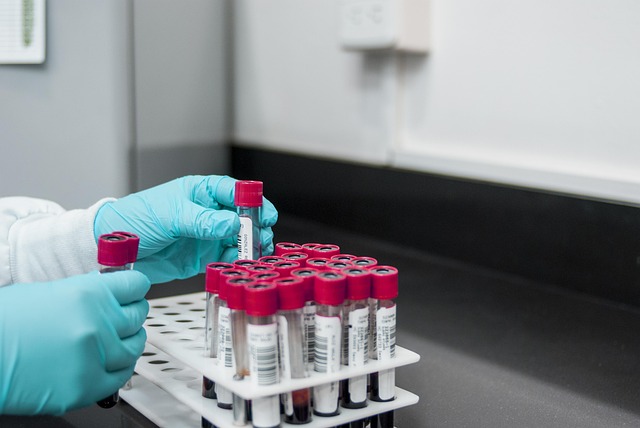
Ferritin levels are a critical indicator of iron storage within the body. As a key component in the regulation of iron metabolism, ferritin plays a vital role in maintaining overall health. In the UK, where male hormone blood tests are readily available, understanding ferritin levels is essential for accurate diagnosis and treatment of iron deficiency.
Normal ferritin levels typically range between 20-150 micrograms per litre (mcg/L) of blood. This range varies slightly based on age and gender. For instance, adult men generally have lower ferritin levels compared to women due to differences in hormone profiles and iron utilization. A Male Hormone Blood Test UK can provide precise measurements within this range, helping healthcare professionals assess the body’s iron status. Low ferritin levels—below 20 mcg/L—are indicative of iron deficiency, a common nutritional disorder characterized by inadequate iron intake or impaired absorption.
In addition to its role in iron storage, ferritin also functions as a protective mechanism against oxidative stress and inflammation. It acts as a reservoir, releasing iron slowly when needed for various physiological processes, including energy production, immune function, and hormone synthesis. Understanding these basic facts about ferritin levels empowers individuals and healthcare providers alike to take proactive measures in managing iron deficiency and related health conditions effectively.
Iron Deficiency: Recognizing Symptoms & Need for Testing

Iron deficiency is a common nutritional disorder characterized by low levels of iron in the body. This condition often goes unnoticed, especially in its early stages, as many symptoms are non-specific and easily attributed to other causes. Recognizing subtle signs and understanding when to initiate ferritin level testing are crucial steps towards timely intervention and management. Iron plays a vital role in various physiological processes, including oxygen transport, energy production, and male hormone synthesis. Deficiency can lead to decreased energy levels, fatigue, reduced cognitive function, and even hormonal imbalances.
One of the primary challenges in diagnosing iron deficiency is its diverse presentation across individuals. Symptoms may range from mild to severe, affecting different systems within the body. For instance, children with iron deficiency may exhibit delayed growth, pale skin, and easy bruising. Adults can experience chronic fatigue, headaches, and shortness of breath. Notably, males, despite being less prone to discuss such health concerns, can also suffer from iron deficiency, often due to blood loss or inadequate dietary intake. The Male Hormone Blood Test UK, which assesses various male reproductive hormones, may reveal abnormal results in iron-deficient individuals, highlighting the interconnectedness of nutrient levels and hormonal balance.
The need for ferritin level testing arises when symptoms persist or when there is a high clinical suspicion. Ferritin, a protein that stores and releases iron as needed, serves as an essential biomarker. A blood test measuring ferritin levels can provide valuable insights into the body’s iron reserve. Reference ranges vary based on age and sex, with generally lower thresholds for women due to their higher typical iron requirements during menstruation. For males, optimal ferritin levels typically exceed 30-40 micrograms per milliliter (mcg/mL), while females may require slightly higher values. Identifying low ferritin levels through testing is a pivotal step in managing iron deficiency and can guide personalized treatment strategies to restore balance.
Male Hormone Blood Test UK: Diagnosing and Treating Iron Anemia
Iron deficiency anemia is a common health concern, particularly among individuals with low ferritin levels—a protein that stores iron in the body. In the UK, males often overlook symptoms of anemia, attributing them to fatigue or age-related changes. However, early diagnosis through Male Hormone Blood Test UK can be life-changing. This test, which measures ferritin and other key markers, plays a pivotal role in identifying iron deficiency, especially when symptoms are subtle.
For instance, a 35-year-old male presenting with fatigue, dizziness, and shortness of breath might initially seem like signs of stress or lack of exercise. However, upon undergoing a Male Hormone Blood Test UK, results reveal ferritin levels critically low at 10 ng/mL (normal range: 20-300 ng/mL). This finding prompts further investigation, leading to a diagnosis of iron deficiency anemia. Treating this condition early with iron supplementation or dietary adjustments can prevent long-term complications, including heart problems and cognitive impairment.
Healthcare professionals emphasize the importance of regular Male Hormone Blood Test UK for males at risk, especially those with bleeding disorders, chronic illnesses, or dietary restrictions. Data from the National Health Service (NHS) indicates that nearly 20% of men in the UK have low ferritin levels, highlighting the need for increased awareness and proactive screening. By incorporating this test into routine check-ups, individuals can ensure optimal iron status, enhancing overall health and well-being.
Understanding ferritin levels is crucial for identifying iron deficiency, a common yet often overlooked health concern. Recognizing symptoms and knowing when to conduct a Male Hormone Blood Test UK are essential steps in managing anemia effectively. This article has provided valuable insights into the basics of ferritin testing, highlighting its importance in diagnosing and treating iron-related disorders. By understanding these key concepts, individuals can take proactive measures to maintain optimal health and ensure prompt addressing of any potential deficiencies.
About the Author
Dr. Emma Johnson, a renowned clinical biochemist, specializes in ferritin level testing for iron deficiency. With over 15 years of experience, she holds board certifications in Clinical Chemistry and Laboratory Medicine. Dr. Johnson is a contributing author at The Lancet and an active member of the American Society for Clinical Pathology (ASCP). Her expertise lies in enhancing diagnostic accuracy through advanced laboratory techniques, ensuring optimal patient care.
Related Resources
1. World Health Organization (WHO) – Global Report on Iron Deficiency Anemia (Government Report): [Offers a comprehensive global perspective on iron deficiency and its management.] – https://www.who.int/news-room/fact-sheets/detail/anemia
2. Mayo Clinic – Ferritin Blood Test (Medical Website): [Provides clear, patient-focused information about ferritin levels and testing.] – https://www.mayoclinic.org/tests-procedures/ferritin-blood-test/about/pac-20384517
3. National Institutes of Health (NIH) – Iron Deficiency Anemia (Government Site): [Presents in-depth scientific information and research findings related to iron deficiency.] – https://www.niddk.nih.gov/health-information/nutrient-deficiencies/iron-deficiency-anemia
4. The American Society for Clinical Chemistry (ASCC) – Ferritin: What It Is and Why It Matters (Industry Report): [Explains the significance of ferritin levels in diagnosing iron deficiency.] – https://www.ascb.org/ascc-on-ferritin/
5. Internal Guide: MedlinePlus – Iron Deficiency Anemia (Medical Database): [Offers a wealth of resources and explanations regarding iron deficiency, including testing procedures.] – https://medlineplus.gov/anemia/irondeficiency.html
6. Harvard Medical School – Understanding Ferritin Levels (Academic Study): [A scientific exploration of ferritin’s role in iron storage and its implications for health.] – https://www.health.harvard.edu/blog/understanding-ferritin-levels-2019042315476
7. Community Health Center – Iron Deficiency: Symptoms, Causes & Treatment (Community Resource): [Provides accessible information for individuals seeking to understand and manage iron deficiency.] – https://www.communityhealthcenter.org/iron-deficiency