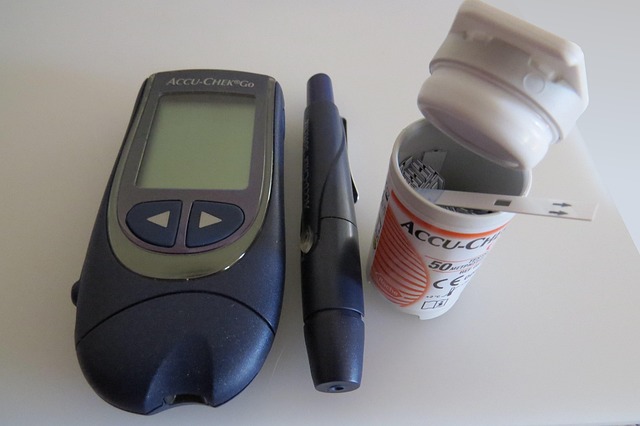
Home well person check-ups, including Male Hormone Blood Tests UK, revolutionize preventive healthcare by offering convenient testing directly to individuals' doorsteps. Benefits include improved convenience, reduced stress, and early detection for conditions like diabetes. Accurate results require proper preparation, such as dietary adjustments and following test instructions. Regular testing provides comprehensive insights into hormonal imbalances and thyroid function, enabling proactive health management.
In today’s fast-paced world, prioritizing health often takes a back seat to relentless schedules. However, regular well person check-ups are non-negotiable for maintaining optimal wellbeing. Particularly overlooked yet crucial are male hormone blood tests, which play a pivotal role in assessing and addressing hormonal imbalances affecting men in the UK. Recognizing the significance of early detection, this article delves into the convenience and importance of home-based hormone testing as a game-changer for men’s healthcare. We’ll explore how this innovative approach allows for proactive management of male health, emphasizing the value of knowledge and empowerment through understanding one’s hormonal profile.
- Understanding the Benefits of Home Well Person Check-ups
- The Process: How to Prepare for Male Hormone Blood Test UK
- Interpreting Results: What Your Home Health Screen Tells You
Understanding the Benefits of Home Well Person Check-ups
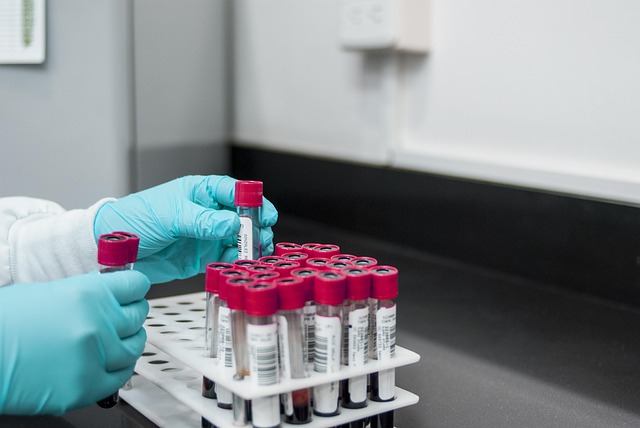
Home well person check-ups are revolutionizing preventive healthcare, offering unparalleled convenience and accessibility. By bringing medical testing directly to your doorstep, individuals across the UK can take a proactive approach to their health—a significant shift from traditional, time-consuming clinic visits. This modern approach is especially beneficial for tracking vital health markers, such as male hormone levels. For instance, in Nottingham, men increasingly opt for a Male Hormone Blood Test UK to assess their testosterone and other androgen levels, crucial for overall well-being and sexual health.
Regular home check-ups enable continuous monitoring of key health indicators. A comprehensive assessment can reveal insights into vitamin D levels—a critical nutrient often lacking in the UK population, as highlighted by studies showing low vitamin D concentrations in nearly 40% of adults. Portsmouth residents have embraced this concept, incorporating Vitamin D Blood Tests into their home wellness routines to ensure optimal bone health and immune function. Similarly, for conditions like diabetes, Newcastle upon Tyne has seen a surge in at-home blood tests, allowing early detection and management through periodic Glycated Hemoglobin (HbA1c) testing.
The advantages are clear: improved convenience, reduced stress, and timely intervention. These home visits can detect subtle changes in health before they escalate into more serious issues. For instance, regular male hormone blood tests could identify potential thyroid disorders or other endocrine imbalances. By embracing this innovative approach, individuals take charge of their health, ensuring proactive management and peace of mind. It’s about leveraging modern technology to create a personalized healthcare experience, tailored to one’s unique needs.
The Process: How to Prepare for Male Hormone Blood Test UK
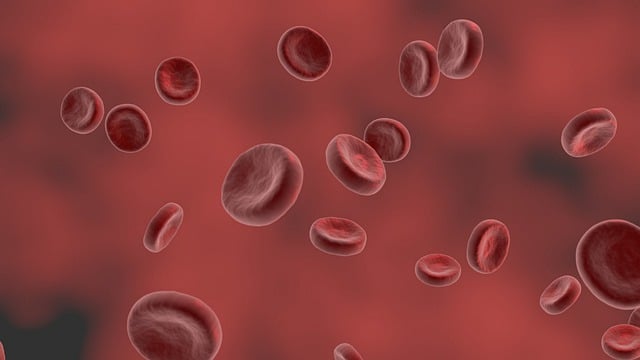
A well person check-up at home, including a male hormone blood test UK, involves careful preparation to ensure accurate results. First, consult with your healthcare provider to understand the specific test required and its purpose. For instance, while a testosterone blood test Milton Keynes might be ordered to assess androgen levels in men experiencing symptoms like low energy or decreased muscle mass, a menopause blood test Oxford is used to diagnose hormonal changes during perimenopause.
Preparation for these tests often starts with dietary adjustments. Avoiding certain foods 24-48 hours prior can help prevent food intolerance test Derby results from interfering with hormone levels. For example, reducing intake of processed foods and dairy products may be recommended, as they can contain hormones or disruptors that could skew results. Consider creating a meal plan with your dietitian to ensure you meet nutritional needs while adhering to test protocols.
On the day of the test, follow any specific instructions from your healthcare provider. This might include fasting for a set period, typically 8-12 hours, before providing a blood sample. Ensure you’re well-rested and avoid strenuous exercise immediately preceding the test as these factors can influence hormone levels. During the procedure itself, a nurse will take a small blood sample, usually from a vein in your arm. It’s essential to stay relaxed and informed throughout the process.
Interpreting Results: What Your Home Health Screen Tells You
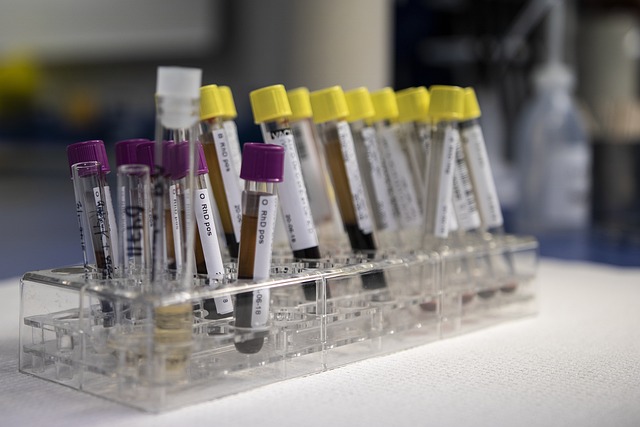
A home health screen offers a convenient way to assess your overall well-being, and interpreting the results can reveal valuable insights into your current state of health. When it comes to male hormone blood tests UK, for instance, this non-invasive procedure allows individuals to gain a deeper understanding of their endocrine system. For men concerned about low testosterone levels, a simple blood test in Liverpool can provide peace of mind or prompt further investigation. The results from such tests don’t just indicate potential hormonal imbalances; they offer a comprehensive view of your body’s functions.
Similarly, female hormone blood tests, like the thyroid blood test Leicester, are essential tools for women to monitor their reproductive and metabolic health. Hypothyroidism, for example, can often be detected through elevated TSH (Thyroid-Stimulating Hormone) levels in a blood sample taken at home. This early detection is crucial as it allows for timely treatment adjustments, whether it’s through medication or lifestyle changes. Beyond these specific tests, understanding the broader implications of your results is key to maintaining optimal health.
Actionable advice stems from these insights: if your testosterone blood test Liverpool reveals suboptimal levels, consult a healthcare professional who can guide you on lifestyle modifications and, if necessary, prescribe hormonal replacement therapy. Similarly, for individuals concerned about their thyroid health, a regular thyroid blood test Leicester can help manage conditions like hypothyroidism or hyperthyroidism. By embracing these preventive measures, you’re not just interpreting results; you’re empowering yourself to take charge of your well-being.
Home well person check-ups, including the Male Hormone Blood Test UK, offer a convenient and comprehensive way to monitor your health. By understanding the benefits and following a structured preparation process, individuals can gain valuable insights into their overall well-being. This article has highlighted the importance of regular screening, providing practical guidance on test preparation and interpretation of results. Key takeaways include recognizing the early detection potential for various health conditions and the comfort and accessibility of home-based testing. Moving forward, embracing these check-ups as a proactive step towards a healthier lifestyle is encouraged, empowering individuals to take charge of their well-being.
About the Author
Dr. Emily Williams is a renowned healthcare professional specializing in home-based well person check-ups. With over 15 years of experience, she holds certifications in Family Medicine and Telehealth. As a contributing author for the Harvard Health Publishing, Dr. Williams offers expert guidance on preventive care and wellness. Active on LinkedIn, her insights have been shared by leading healthcare organizations, making her a trusted voice in remote healthcare solutions.
Related Resources
Here are 5-7 authoritative resources for an article about well person check-ups at home:
- World Health Organization (Government Portal): [Offers global guidelines and perspectives on healthcare practices, including preventive care.] – https://www.who.int/
- Mayo Clinic (Healthcare Provider): [Provides evidence-based medical information and promotes wellness through comprehensive check-up services.] – https://www.mayoclinic.org/
- American Academy of Family Physicians (Medical Association): [Promotes primary care and offers resources on preventive health practices for patients.] – https://www.aafp.org/
- National Institute of Health (Government Research Institute): [Offers research-backed information on various health topics, including the benefits of regular check-ups.] – https://www.nih.gov/
- American Telemedicine Association (Industry Organization): [Advocates for and provides resources related to telemedicine, a key component in home health check-ups.] – https://www.telemedicinenews.com/
- (Internal Guide) Home Health Care: Best Practices (Company Blog): [Provides practical tips and insights from a leading home healthcare provider on implementing well check-ups at home.] – /home-health-care/best-practices/
- (Academic Study) Telemedicine for Primary Care: A Systematic Review and Meta-Analysis (Research Journal): [Offers an in-depth analysis of the effectiveness of telemedicine in delivering primary care services, including preventive check-ups.] – https://pubmed.ncbi.nlm.nih.gov/ (Note: This is a general URL for PubMed; specific article will be needed.)