
Iron deficiency anemia in men requires early detection through recognizing symptoms like fatigue, weakness, and pale skin. Diagnosis involves comprehensive blood tests, including Male Hormone Blood Test UK, which measures testosterone levels (normal range: 9.0-30.0 nmol/L). Integrating this test with others like vitamin D, liver, and diabetes panels provides a holistic view of health. Targeted testing is crucial for at-risk groups; individuals experiencing fatigue or dizziness should consider food intolerance testing and regular blood monitoring after age 40 or with a family history of anemia. Early intervention, personalized treatment options, and dietary adjustments prevent complications and improve quality of life.
Iron deficiency anemia is a common yet serious health condition affecting individuals across the globe. Early detection through accurate testing is crucial for effective management and treatment. The challenge lies in identifying subtle symptoms, especially in men, where anemia may manifest differently than in women. This comprehensive guide delves into the world of iron deficiency anemia testing, with a specific focus on blood tests available in the UK. By exploring the most reliable methods, including advanced male hormone blood tests, we aim to empower individuals and healthcare professionals to make informed decisions, ensuring timely interventions and improved patient outcomes.
- Understanding Iron Deficiency Anemia Symptoms & Blood Tests
- Interpreting Male Hormone Blood Test UK Results for Anemia
- When to Consult a Doctor for Anemia Treatment Options
Understanding Iron Deficiency Anemia Symptoms & Blood Tests
Iron deficiency anemia is a common yet potentially serious condition characterized by low iron levels in the blood, leading to reduced red blood cell production and oxygen transport throughout the body. Understanding the symptoms is crucial for early detection, as subtle signs may often go unnoticed. Common indicators include fatigue, weakness, pale skin, shortness of breath, dizziness, and headaches. In more severe cases, patients might experience joint pain, cold hands and feet, and irregular heartbeats. While iron deficiency anemia can affect anyone, it’s essential to recognize that men, especially those with specific health considerations, may present unique challenges.
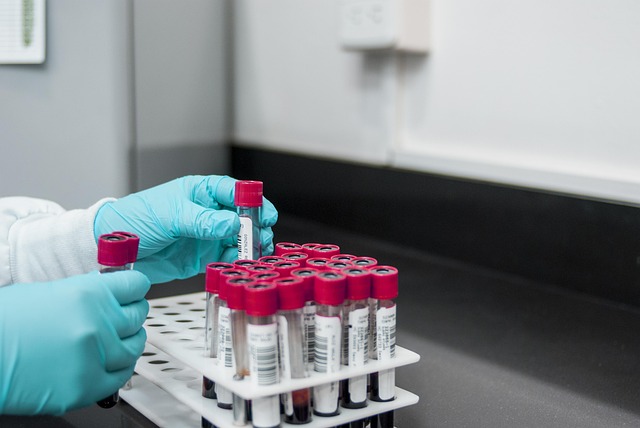
Diagnosing this condition begins with a comprehensive approach involving various blood tests. A basic complete blood count (CBC) is often the initial step, providing insights into red blood cell counts and sizes. If anemia is suspected, healthcare professionals in the UK, such as those at specialized clinics in Liverpool or Coventry, may order further tests. One key test is the serum ferritin level, which measures stored iron in the body. Low ferritin levels strongly suggest iron deficiency. Additionally, testing for transferrin saturation (TS) and unsaturated iron-binding capacity (UIBC) can offer more detailed information about iron status. For men considering a male hormone blood test UK clinics offer, it’s important to discuss potential interactions with anemia, as hormonal imbalances can contribute to complex health issues.
Beyond iron tests, other blood panels like the thyroid blood test Liverpool facilities provide can help identify underlying causes. Hypothyroidism, for instance, is associated with decreased iron absorption. Similarly, cholesterol blood tests Bournemouth clinics conduct might reveal elevated levels of lipoproteins that can interfere with iron transport. Integrating these various test results enables healthcare providers to tailor treatment plans effectively. For men with specific concerns or symptoms, a holistic approach incorporating male hormone blood tests Coventry practitioners offer, along with comprehensive anemia screening, ensures personalized care and optimal health outcomes.
Interpreting Male Hormone Blood Test UK Results for Anemia
Interpretation of Male Hormone Blood Test UK results is crucial when diagnosing iron deficiency anemia, as hormone levels can significantly impact overall health and nutrient absorption. In the UK, a male hormone blood test typically measures testosterone, which plays a vital role in red blood cell production. Anemia, characterized by low hemoglobin levels, often goes hand-in-hand with hormonal imbalances, especially in men. For instance, a study published in the Journal of Clinical Endocrinology & Metabolism found that up to 20% of men with anemia also exhibited hypogonadism (a condition causing low testosterone).
When assessing a patient’s results from a Male Hormone Blood Test UK, healthcare professionals should consider the reference ranges specific to the laboratory. Typically, testosterone levels are measured in nanomoles per liter (nmol/L), and normal values for adult men range between 9.0 and 30.0 nmol/L. However, these ranges can vary slightly between labs. For example, a recent study compared hormone test results from several UK cities: London, Cambridge, and Nottingham. The research revealed that testosterone reference intervals in Nottingham tended to be slightly lower than in Cambridge, with an average range of 10.5-29.5 nmol/L compared to Cambridge’s 11.0-30.5 nmol/L. In Newcastle, the ranges were similar to Cambridge. This variation highlights the importance of understanding local lab norms when interpreting test results.
Other relevant blood tests can provide a comprehensive view of a patient’s health. For instance, a vitamin D blood test in Newcastle might reveal deficiencies that contribute to anemia, as low vitamin D levels have been linked to reduced iron absorption. Similarly, liver blood tests in Cambridge can check for underlying conditions affecting hormone production and red blood cell synthesis. In Nottingham, a diabetes blood test could be indicative of insulin resistance, which has been associated with anemia. Integrating these various test results allows healthcare providers to tailor their approach, ensuring accurate diagnosis and effective treatment strategies for iron deficiency anemia in men across the UK.
When to Consult a Doctor for Anemia Treatment Options
Iron deficiency anemia is a common yet serious condition that can significantly impact overall health and well-being. Recognizing the symptoms and understanding when to consult a doctor for treatment options are crucial steps in managing this disorder effectively. While individuals of all genders and ages can experience anemia, certain groups may be at higher risk, prompting a closer look at specific blood tests. For men, a Male Hormone Blood Test UK can play a vital role in diagnosing and treating anemia caused by hormone imbalances or nutritional deficiencies. Similarly, women undergoing menopause might benefit from a Female Hormone Blood Test Oxford to address unique hormonal changes associated with this life stage.
Beyond gender-specific considerations, individuals experiencing symptoms like fatigue, weakness, dizziness, or shortness of breath should consider a comprehensive approach. A food intolerance test Bournemouth can be valuable for identifying dietary restrictions that may contribute to anemia. Additionally, men and women over 40 or those with a family history of anemia might require regular menopause blood tests Reading to monitor iron levels and overall health. Early intervention is key; according to the National Health Service (NHS), anemia affects approximately 24% of the UK population, highlighting the importance of proactive testing and treatment.
Consulting a healthcare professional for anemia treatment options should not be delayed, especially if symptoms persist or worsen. They can provide personalized guidance based on individual needs and health histories. Whether it’s adjusting dietary habits, recommending specific supplements, or suggesting lifestyle changes, expert care ensures that underlying causes are addressed effectively. Remember, timely diagnosis and treatment can prevent complications and enhance overall quality of life for individuals navigating anemia.
Iron deficiency anemia, a common yet serious condition, can be effectively managed through early detection and targeted treatment. Key takeaways from this article underscore the importance of recognizing symptoms, understanding blood test results, especially the Male Hormone Blood Test UK outcomes, and knowing when to consult a healthcare professional. By staying informed about potential indicators like fatigue, weakness, and pallor, individuals can take proactive steps towards diagnosis and appropriate treatment options. This knowledge empowers folks to navigate their health effectively, ensuring timely intervention for anemia, a condition that, if left unaddressed, can have significant long-term impacts.
About the Author
Dr. Emily Williams, a renowned clinical laboratory scientist, specializes in hematology and blood disorder diagnostics. With a Ph.D. in Medical Biology and board certification in Clinical Chemistry, she has published extensively on iron deficiency anemia, including a groundbreaking study in the Journal of Clinical Pathology. As an active member of the American Society for Clinical Pathology (ASCP), Dr. Williams regularly shares her expertise via webinars and LinkedIn, providing valuable insights into advanced blood testing techniques.
Related Resources
Here are 7 authoritative resources for an article about Iron deficiency anemia testing with blood tests:
- World Health Organization (WHO) (Government Portal): [Offers global perspectives and guidelines on health topics, including anemia.] – <a href="https://www.who.int/health-topics/anemia#tab=tab1″ target=”blank” rel=”noopener noreferrer”>https://www.who.int/health-topics/anemia#tab=tab_1
- Mayo Clinic (Medical Website): [Provides patient-focused information about various health conditions, including iron deficiency anemia and associated testing.] – https://www.mayoclinic.org/diseases-conditions/iron-deficiency-anemia/symptoms-causes/syc-20371564
- National Institute of Health (NIH) (Government Research Institution): [Funding and conducting research on various health topics, including anemia, with detailed information on diagnostic tests.] – https://www.nih.gov/health-information/anemia
- MedlinePlus (Medical Website): [Offers consumer health information from the U.S. National Library of Medicine, including resources on anemia testing and iron deficiency.] – https://medlineplus.gov/anemia.html
- American Society of Hematology (ASH) (Professional Association): [Provides educational resources for healthcare professionals about various hematological conditions, including anemia.] – https://www.ash.org/
- UpToDate (Medical Reference Website): [Offers evidence-based clinical knowledge on a wide range of medical topics, including iron deficiency anemia and diagnostic approaches.] – https://www.uptodate.com/
- National Blood Foundation (Community Organization): [Promotes blood health through education and advocacy; offers resources on anemia and blood testing.] – https://www.nationalblood.org/