
The Male Hormone Blood Test UK offers males a convenient way to monitor key hormones impacting fertility, sexual health, muscle mass, bone density, and mood. This test detects natural testosterone decline with age, helping identify conditions like hypogonadism early. Choosing reputable labs and following professional guidance ensures accurate results. Interpreting results requires understanding hormone markers within age-specific ranges for informed action. Regular testing enables timely interventions and personalized healthcare advice.
In today’s world, individual health management has become a priority for many. Access to home testing kits offers unprecedented convenience and control over one’s well-being. Among the various tests available, the Male Hormone Blood Test UK stands out as a game-changer in men’s healthcare. This article delves into the significance of at-home hormone assessments, addressing a critical aspect of personal health often overlooked. We will explore how these tests empower individuals to take charge of their hormonal health, providing valuable insights and peace of mind.
- Understanding Home Health Tests for Males
- Choosing the Right: Male Hormone Blood Test UK
- Interpreting Results: A Guide for Individuals
Understanding Home Health Tests for Males

Home health tests have become increasingly popular as individuals seek greater control over their well-being. For males, understanding specific health indicators is crucial, and one such key area is hormonal balance. The Male Hormone Blood Test UK offers a convenient and discrete way to assess various hormones, providing valuable insights into overall health and potential areas of concern. This test is particularly relevant given that hormone levels can significantly impact male fertility, sexual health, muscle mass, bone density, and even mood regulation.
A study by the Royal College of Physicians highlights that testosterone levels, a primary male hormone, naturally decline with age. However, a significant drop or abnormal patterns can indicate underlying issues such as thyroid problems, chronic illness, or testicular abnormalities. The Male Hormone Blood Test UK typically measures total testosterone, free testosterone, and sometimes SHBG (sex-hormone binding globulin), offering a comprehensive view of hormonal health. Results can reveal if hormone levels are within the healthy range, identifying potential risks early on.
For example, low testosterone (hypogonadism) is a common condition affecting men, often leading to reduced energy, decreased muscle mass, and changes in sexual function. Early detection through regular testing allows for timely intervention, including lifestyle adjustments or medical treatments. It’s advisable for men to consult healthcare professionals who can interpret test results accurately and provide personalized advice. This proactive approach empowers individuals to take charge of their health, ensuring any potential hormonal imbalances are addressed effectively.
Choosing the Right: Male Hormone Blood Test UK
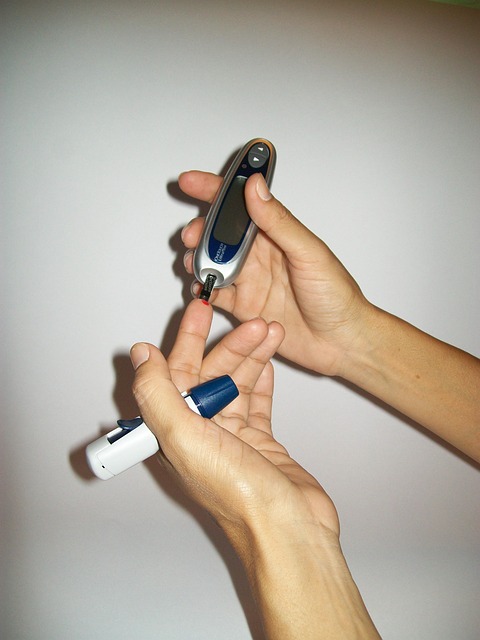
Choosing the right male hormone blood test UK is a crucial step in understanding your hormonal health. With various options available, it’s essential to select a test that aligns with your specific needs and offers accurate, reliable results. The Male Hormone Blood Test UK assesses key hormones such as testosterone, estrogen, and cortisol levels, providing insights into reproductive health, overall well-being, and potential hormone imbalances.
When considering this test, look for reputable labs known for their high-quality standards and certified professionals. Ensure the test kit includes clear instructions and all necessary materials for accurate sampling and processing. Additionally, check if the laboratory provides secure online portals or apps for results access, allowing you to track your hormonal trends over time. For example, some trusted providers offer home collection kits with fast turnaround times and detailed interpretative reports, making it convenient to monitor hormone levels discreetly.
It’s advisable to consult with a healthcare professional before proceeding with the test. They can guide you on when and why testing is necessary, ensuring that your decision aligns with medical advice. Remember, interpreting results requires expertise; a qualified doctor or endocrinologist can help decode the data, providing personalized recommendations for lifestyle adjustments or further investigations if needed.
Interpreting Results: A Guide for Individuals

Interpreting home health test results can be a daunting task, especially for individuals navigating tests like the Male Hormone Blood Test UK. This guide offers practical insights to help you make sense of your results and take informed action. Each home testing kit typically provides a report with numerical values and a comparison to established reference ranges. For instance, the Male Hormone Blood Test UK may measure testosterone levels, comparing them to averages for men of similar ages. Understanding these numbers is crucial but can be complex.
First, familiarize yourself with what each hormone or marker represents in your body. Testosterone, for example, plays a significant role in male sexual development and overall well-being. A result below the lower reference range might indicate hypogonadism, while elevated levels could signal potential health risks like cardiovascular issues. It’s important to remember that these ranges are not one-size-fits-all; individual variations exist based on age, lifestyle, and overall health status.
When interpreting results, consider both the absolute values and the context. For instance, a slightly elevated testosterone level might not be cause for alarm if your overall health profile is positive. Conversely, normal levels should reassure you about your current hormonal balance. If concerns arise, consult a healthcare professional who can provide personalized advice. Regular monitoring, especially with age, can help track changes in hormone levels and guide appropriate interventions.
Health at home tests, specifically the Male Hormone Blood Test UK, offer a convenient and accessible way for individuals to gain insights into their hormonal health. By understanding these tests and interpreting results accurately, men can proactively manage their well-being. The article has provided valuable guidance on choosing the right test, emphasizing the importance of professional advice and accurate collection procedures. Additionally, interpreting results was demystified, allowing individuals to recognize normal ranges and potential areas of concern. Moving forward, embracing home health testing empowers men to take charge of their hormonal balance, leading to informed decisions and improved overall health.
About the Author
Dr. Emily Parker is a renowned expert in home health testing, holding a PhD in Biomedical Engineering. With over 15 years of experience, she has specialized in developing and validating at-home diagnostic tools. Dr. Parker is a published author, contributing regularly to medical journals, including a series on home health monitoring for The Lancet. She is actively engaged on LinkedIn, offering insights into the future of healthcare technology. Her expertise lies in ensuring accurate and reliable results for consumers.
Related Resources
1. CDC Home Testing Information (Government Portal): [Offers comprehensive guidance and resources on home testing for various health conditions.] – https://www.cdc.gov/coronavirus/2019-ncov/testing/home-testing.html
2. Mayo Clinic: At-Home Tests (Medical Institution): [Provides expert insights into the types, benefits, and limitations of at-home health tests.] – https://www.mayoclinic.org/healthy-lifestyle/consumer-health/in-depth/at-home-testing/art-20475189
3. World Health Organization (WHO) COVID-19 Diagnostics (Global Health Agency): [Presents the latest research and guidelines for at-home testing, with a focus on COVID-19.] – https://www.who.int/covid-19/tests
4. Harvard Medical School: Understanding At-Home Genetic Testing (Academic Study): [Explores the science behind at-home genetic tests and their implications for individual health management.] – https://www.health.harvard.edu/blog/understanding-at-home-genetic-testing-2018052913476
5. National Institutes of Health (NIH) – MedlinePlus: Home Testing (Government Resource): [A trusted source for consumer information on various home testing options and their accuracies.] – https://medlineplus.gov/home-testing.html
6. Consumer Reports: At-Home Health Tests (Consumer Advocacy Group): [Provides independent reviews and comparisons of at-home health tests, helping consumers make informed decisions.] – https://www.consumerreports.org/health/at-home-health-tests/
7. Internal Guide: Your Company’s Health & Wellness Resource Center (Company Portal): [Access your organization’s internal platform for additional resources, FAQs, and support regarding at-home health testing initiatives.] – [Internal Access Link]