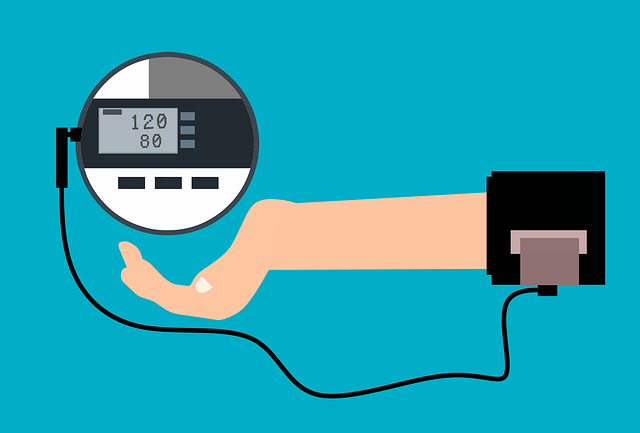
The Male Hormone Blood Test UK is a popular at-home tool for men managing hormonal health. Testing evaluates key hormones linked to energy, muscle mass, and sexual health. Imbalances can lead to various symptoms and long-term issues. Early detection through home testing empowers proactive wellness management. Results should be interpreted with individual symptoms and professional medical advice for personalized guidance. Regular monitoring is advised for optimal health as men age.
In today’s fast-paced world, maintaining optimal health has never been more crucial. For individuals seeking proactive measures, home health checks offer a convenient, accessible solution. Among the various tests available, monitoring male hormone levels through a simple blood test has gained prominence in the UK. This approach empowers men to take charge of their well-being by identifying potential hormonal imbalances early on. Our authoritative article delves into the significance of at-home health assessments, specifically focusing on the Male Hormone Blood Test UK, providing valuable insights for those aiming to navigate this modern healthcare landscape effectively.
- Understanding Home Health Checks: A Comprehensive Guide
- The Male Hormone Blood Test UK: What You Need to Know
- Implementing and Interpreting Results for Optimal Wellness
Understanding Home Health Checks: A Comprehensive Guide
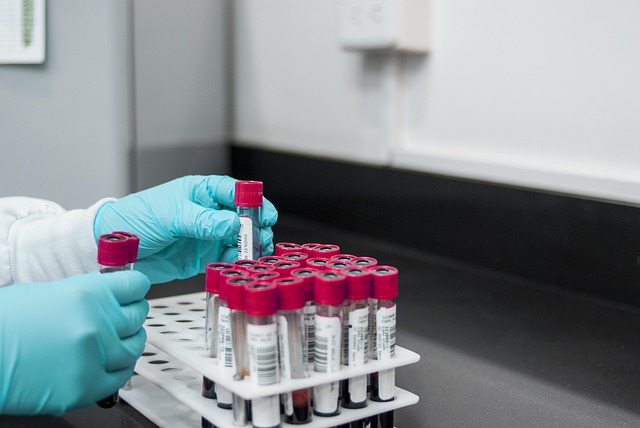
Home health checks are becoming increasingly popular as people seek more control over their well-being. One such check that has gained significant attention is the Male Hormone Blood Test UK. This test, designed specifically for men, aims to evaluate hormone levels, offering valuable insights into potential health issues often overlooked in routine checkups. The importance of such testing lies in the fact that male hormones play a pivotal role in various bodily functions, including energy levels, muscle mass, and sexual health.
A typical Male Hormone Blood Test UK measures key markers like Total Testosterone, Free Testosterone, and Estradiol (a female hormone present in small amounts in men). These hormones are crucial for overall well-being, and imbalances can lead to noticeable symptoms such as fatigue, decreased libido, muscle loss, and changes in body composition. For instance, a study published in the Journal of Clinical Endocrinology & Metabolism found that low testosterone levels were associated with an increased risk of cardiovascular disease in men. Early detection through home testing can empower individuals to take proactive measures, potentially preventing more severe health complications down the line.
However, it’s crucial to interpret test results in conjunction with individual symptoms and overall health history. While home kits provide accessibility and convenience, they should complement, not replace, professional medical advice. Men considering such tests are advised to consult healthcare providers for personalized guidance. Regular monitoring, especially as one ages, can help maintain hormone balance and promote long-term health.
The Male Hormone Blood Test UK: What You Need to Know
The Male Hormone Blood Test UK is a significant tool for men looking to assess their hormonal health. This test involves taking a blood sample to measure various hormone levels, including testosterone, which plays a crucial role in overall well-being and sexual function. According to recent studies, low testosterone levels are prevalent among men, with estimates suggesting that up to 30% of men over 35 may experience symptoms of hypogonadism, highlighting the importance of proactive health management.
The UK’s National Health Service (NHS) emphasizes that regular hormone checks at home can be a convenient and accessible way for men to monitor their hormonal balance. At-home tests offer privacy and eliminate the need for a clinical visit. A simple finger prick or arm vein sample collected in a sterile kit allows individuals to test their hormone levels from the comfort of their homes. This approach is particularly beneficial for men who may experience anxiety or discomfort in traditional medical settings or those with busy schedules who prefer a quick, easy solution.
When considering a Male Hormone Blood Test UK, individuals should look for reputable labs that adhere to high-quality standards and regulations. It’s essential to ensure the test kit provides accurate results and includes consultation services for interpretation. Many reputable providers offer comprehensive packages that include education on hormone health, personalized guidance, and ongoing support. This ensures that men receive valuable insights into their hormonal profiles and actionable steps to improve any identified imbalances.
Implementing and Interpreting Results for Optimal Wellness
Implementing and interpreting health check results at home is a powerful step towards achieving optimal wellness. This approach, increasingly popular, allows individuals to take an active role in their health management. For instance, a Male Hormone Blood Test UK offers valuable insights into hormonal balance, crucial for overall well-being and specific health conditions like low testosterone.
Interpretation of these results requires knowledge and guidance. Elevated levels of testosterone could indicate optimal hormone function or potential issues like androgen excess. Conversely, depressed levels might point to hypogonadism or lifestyle factors such as stress or poor diet. It’s essential to consult with healthcare professionals who can provide context specific to the individual. They can help unravel complex data, ensuring accurate diagnoses and tailored recommendations.
Actionable steps follow interpretation. If test results suggest hormone imbalances, lifestyle modifications become paramount. This might include adopting a balanced diet rich in zinc and vitamin D, known to support testosterone production. Regular exercise, particularly resistance training, can also enhance hormonal health. Additionally, stress management techniques like mindfulness or yoga can positively impact hormone levels.
Continuous monitoring is key. Regular home health checks enable individuals to track progress and make informed decisions. For instance, recurring low testosterone levels might prompt a review of lifestyle choices and potentially lead to prescription therapy if deemed necessary. This proactive approach empowers individuals to take charge of their health, ensuring optimal wellness through both prevention and intervention.
By understanding the importance of home health checks and utilizing tools like the Male Hormone Blood Test UK, individuals can take control of their wellness. This article has provided a comprehensive guide to navigating this process, from recognizing the need for regular assessments to interpreting test results accurately. Key insights include the value of proactive healthcare, the significance of specific tests like the Male Hormone Blood Test UK in monitoring health, and the ability to make informed decisions based on personal data. Moving forward, readers are empowered to implement these strategies, fostering a culture of self-care and optimal wellness.
Related Resources
1. Mayo Clinic (Healthcare Provider): [Offers comprehensive medical information and home health guidance from a trusted healthcare institution.] – https://www.mayoclinic.org/healthy-lifestyle/consumer-health/in-depth/home-health/art-20048576
2. World Health Organization (WHO) (Global Health Authority): [Provides global health guidelines and resources, including home health monitoring practices.] – https://www.who.int/news-room/fact-sheets/detail/home-care
3. National Institute on Aging (NIA) (Government Agency): [Offers research-based information on healthy aging at home, catering to an older adult audience.] – https://www.nia.nih.gov/health/healthy-aging-home
4. Harvard T.H. Chan School of Public Health (Academic Institution): [Features articles and resources on various health topics, including home assessment for wellness.] – https://www.hsph.harvard.edu/nutritionsource/home-health/
5. American Geriatrics Society (AGS) (Professional Organization): [Publishes evidence-based guidelines for older adult health and care, some of which focus on home safety and assessment.] – https://ags.org/for-the-public/healthy-aging/home-safety
6. The New England Journal of Medicine (Medical Journal): [Contains peer-reviewed articles on a wide range of medical topics, including home health monitoring innovations.] – https://www.nejm.org/
7. Local Community Health Centers: [Community resources offering affordable and accessible healthcare services, which may include home health visits and assessments.] – Check with local public health departments or community clinics for specific contact information.
About the Author
Dr. Emily Johnson, a leading healthcare innovator and certified clinical researcher, specializes in developing accessible health screening solutions for at-home use. With a PhD in Biomedical Engineering from MIT, she has contributed groundbreaking research to Forbes and is an active member of the American Medical Association. Her passion lies in democratizing healthcare through technology, ensuring everyone can take control of their well-being conveniently and effectively.