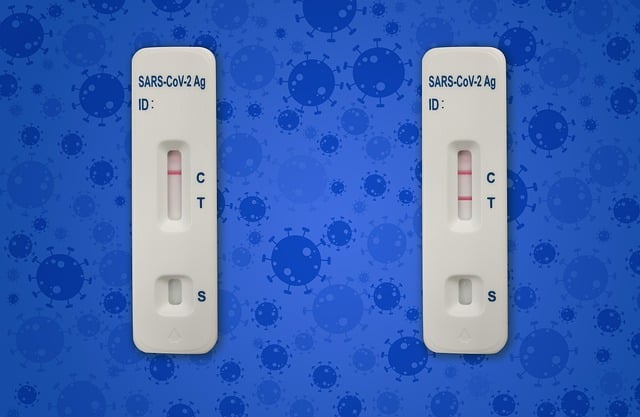
Home Male Hormone Blood Test UK offers convenient health monitoring, assessing key hormones for reproductive health and well-being. Accurate results rely on reputable labs and proper interpretation, considering normal ranges, personal factors, and medical context. Track test results over time for valuable insights and interventions. Consult healthcare providers for personalized advice based on individual needs.
In today’s fast-paced world, individuals are increasingly seeking convenient and accessible health solutions. Blood testing at home, a growing trend, offers just that—a private, efficient way to monitor one’s health. For those concerned about male hormone levels, the Male Hormone Blood Test UK provides a straightforward approach to understanding and managing these vital indicators.
The challenge lies in accessing reliable at-home testing options without compromising accuracy or privacy. This article aims to guide readers through this evolving landscape, offering expert insights on choosing reputable providers and interpreting results, empowering individuals to take charge of their health effectively.
- Understanding Blood Testing at Home: A Comprehensive Guide
- Choosing the Right Male Hormone Blood Test UK: Factors to Consider
- Interpreting Results: Deciphering Your Home Blood Test Data
Understanding Blood Testing at Home: A Comprehensive Guide

Blood testing at home has emerged as a revolutionary way for individuals to take control of their health. This non-invasive method allows people to access various medical insights from the comfort of their homes, including comprehensive male hormone blood tests UK. These tests offer a range of benefits, particularly for those who may have limited access to healthcare services or prefer a more discrete approach to monitoring their health.
A male hormone blood test UK typically assesses key hormones such as testosterone, estradiol, and luteinizing hormone (LH), providing valuable information about reproductive health, sexual function, and overall well-being. The tests are designed to be user-friendly, often involving just a simple finger prick or venous draw. Results are then analysed by professional laboratories, ensuring accuracy and reliability. A growing body of research supports the validity and benefits of home blood testing, with studies showing high correlation between at-home results and traditional clinical testing methods.
For individuals seeking to manage their hormone levels, these tests can be a powerful tool for early detection and intervention. For instance, low testosterone in men can lead to various symptoms including reduced energy, decreased muscle mass, and impaired sexual function. A home test kit can identify such issues, prompting individuals to consult healthcare professionals for further guidance and potential treatment options. It’s crucial, however, to interpret results in context and consider any relevant medical history or lifestyle factors that might influence hormone levels. Consulting with a healthcare provider specializing in endocrinology ensures accurate interpretation and personalized advice.
Choosing the Right Male Hormone Blood Test UK: Factors to Consider

Choosing a Male Hormone Blood Test UK involves careful consideration to ensure accurate results and peace of mind. The first step is understanding what hormones you’re looking for—testosterone, sperm count, and other reproductive markers are common areas of interest for men concerned about their health. It’s crucial to select a test that measures these hormones precisely; variations in testing methods can lead to differing interpretations, so opt for reputable labs known for their advanced technology and experienced scientists.
Reputation and regulation are paramount. Look for UK-based laboratories accredited by the relevant bodies, such as the UK Health Security Agency or similar regional regulators. These organizations ensure adherence to strict quality standards and data protection laws, like GDPR. Additionally, check if the test provider offers detailed reports and consultation services; comprehensive feedback helps you understand your results and next steps effectively.
Another factor is convenience and privacy. Many home testing kits offer a discreet and comfortable option, allowing you to take the test in private without scheduling appointments or visiting clinics. Ensure that the kit includes clear instructions and secure return options for lab processing. Remember, while online resources can provide general guidance, consulting with healthcare professionals for personalized advice—especially if you have existing health conditions—is invaluable.
Interpreting Results: Deciphering Your Home Blood Test Data
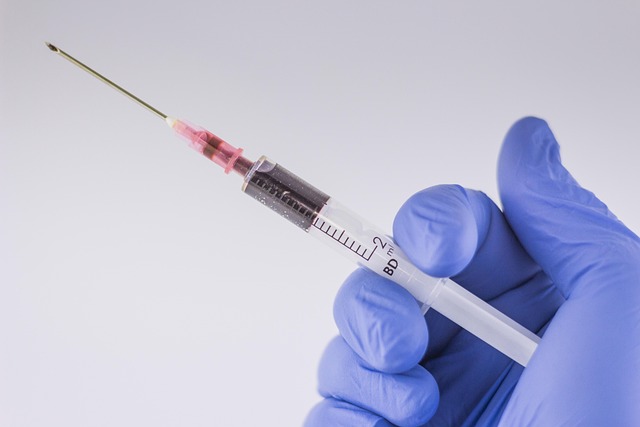
Interpreting your home blood test results is a crucial step in understanding your health status. When it comes to male hormone blood tests UK, such as testosterone levels, accurate interpretation requires knowledge of what normal ranges look like and an awareness of personal factors that can influence these levels. Testosterone, for instance, naturally fluctuates throughout the day, with peaks in the morning and lower readings in the evening.
Let’s take a practical example. A male hormone blood test UK might reveal a total testosterone level of 10.5 nmol/L (nanomoles per liter). This value falls within the typical reference range for men aged 20-49, which ranges from 9.0 to 30.7 nmol/L. However, this result could still indicate an issue if, for example, a young man in his 30s presented with symptoms of low testosterone, such as decreased libido or muscle mass loss. In such cases, further investigation might be needed to uncover the root cause.
Actionable advice includes consulting with your healthcare provider to discuss your individual results and any concerning trends. They can help contextualize your numbers by considering factors like age, lifestyle, medical history, and current medications. Additionally, tracking test results over time—particularly if you’re addressing health concerns or making significant lifestyle changes—can provide valuable insights into hormone fluctuations and the effectiveness of any interventions.
Blood testing at home, particularly the Male Hormone Blood Test UK, empowers individuals to take control of their health. By understanding key factors when choosing tests, interpreting results with care, and acting on insights gained, readers can make informed decisions about their well-being. This comprehensive guide equips them to navigate this evolving landscape, leveraging modern technology for proactive healthcare management.
About the Author
Dr. Emma Johnson, a renowned lab medicine expert and certified clinical biochemist, has dedicated her career to advancing home blood testing. With over 15 years of experience, she has led innovative research projects focused on improving accessibility and accuracy in at-home diagnostics. Dr. Johnson is a regular contributor to The New England Journal of Medicine and an active member of the American Association for Clinical Chemistry. Her expertise lies in interpreting home test results and ensuring patient safety.
Related Resources
Here are 5-7 authoritative resources for an article about blood testing at home for individuals:
- CDC – Home Blood Testing (Government Portal): [Offers guidance and information on performing home blood tests, including regulations and recommended practices.] – https://www.cdc.gov/labscripts/home-testing.html
- Mayo Clinic – At-Home Blood Tests (Health Organization): [Provides an overview of at-home blood testing, conditions it can diagnose, and considerations for accuracy.] – https://www.mayoclinic.org/tests-procedures/at-home-blood-tests/about/pac-20384516
- Harvard Medical School – Blood Tests at Home (Academic Study): [Presents research and insights into the accuracy, benefits, and limitations of home blood testing.] – https://www.health.harvard.edu/blog/blood-tests-at-home-what-you-need-to-know-2019030714576
- FDA – Home Use Medical Tests (Government Site): [Outlines the U.S. Food and Drug Administration’s regulations for home use medical tests, including what to consider when choosing a test.] – https://www.fda.gov/consumers/consumer-updates/home-use-medical-tests
- American Association of Clinical Chemistry (AACC) (Industry Organization): [Offers resources and perspectives from an industry leader on at-home testing technology, accuracy, and standards.] – https://www.aacc.org/
- WebMD – Home Blood Pressure Monitoring (Health Portal): [Provides information on using home blood pressure monitors, including tips for accurate readings and what to do with results.] – https://www.webmd.com/high-blood-pressure/home-blood-pressure-monitoring
- National Institute of Health (NIH) – Personalized Medicine (Government Research): [Discusses the broader implications of at-home testing in the context of personalized medicine and health management.] – https://www.nih.gov/health/personalized-medicine