
The Male Hormone Blood Test UK naturally serves as a critical diagnostic tool for male fertility, assessing key hormones like testosterone, LH, and FSH. Abnormal results can indicate conditions like hypogonadism or infertility, with normal ranges varying by age. Early detection through this test enables timely interventions, significantly improving reproductive outcomes. Interpretation requires expert analysis along with medical history and physicals, emphasizing the importance of specialized clinics like Male Hormone Blood Test UK for accurate diagnosis and treatment.
Male hormone level analysis is a critical tool for diagnosing reproductive issues, offering insights into overall fertility health. Imbalances in testosterone and other key hormones can underlie a range of problems, from low sperm count to erectile dysfunction. In the UK, male hormone blood tests play a pivotal role in identifying these imbalances and guiding effective treatment strategies. This article delves into the significance of such analyses, explaining how they work, their diagnostic value, and the professional guidance available through Male Hormone Blood Test UK, ensuring readers access reliable information for informed decisions regarding their reproductive health.
- Understanding Male Hormone Blood Test UK for Fertility
- Diagnosing Reproductive Issues with Hormonal Analysis
- Interpreting Results: Unlocking Male Fertility Secrets
Understanding Male Hormone Blood Test UK for Fertility
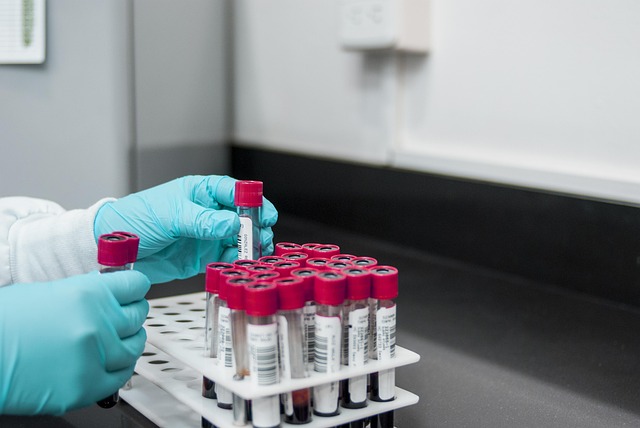
Understanding Male Hormone Blood Test UK for Fertility requires a nuanced approach, as hormonal imbalances play a significant role in reproductive health. This test, specifically tailored to assess male hormone levels, offers crucial insights into potential fertility challenges. In the UK, access to such tests has become increasingly accessible, empowering individuals and couples seeking answers. The Male Hormone Blood Test UK naturally serves as a diagnostic tool, identifying abnormal levels of testosterone, luteinizing hormone (LH), and follicle-stimulating hormone (FSH), among others.
Interpretation of results is a delicate task, as values can vary based on age and lifestyle factors. Typically, testosterone levels below 300 nanogrammes per deciliter (ng/dL) in adults may indicate low testosterone or hypogonadism, potentially affecting fertility. Elevated LH and FSH levels, for instance, could signal the need for further investigation into underlying causes of infertility. For instance, a study published in Fertility and Sterility found that over 40% of men with unexplained infertility exhibited abnormal hormonal profiles, highlighting the test’s value as an initial screening tool.
Expert recommendation emphasizes the importance of combining this test with comprehensive medical history taking and physical examinations. Following test results, specialized healthcare professionals can suggest personalized treatments, including lifestyle modifications, medication, or in vitro fertilization (IVF) procedures. Timely intervention based on accurate hormone level analysis can significantly improve fertility outcomes, offering hope and a roadmap to achieving parenthood for those facing reproductive challenges.
Diagnosing Reproductive Issues with Hormonal Analysis
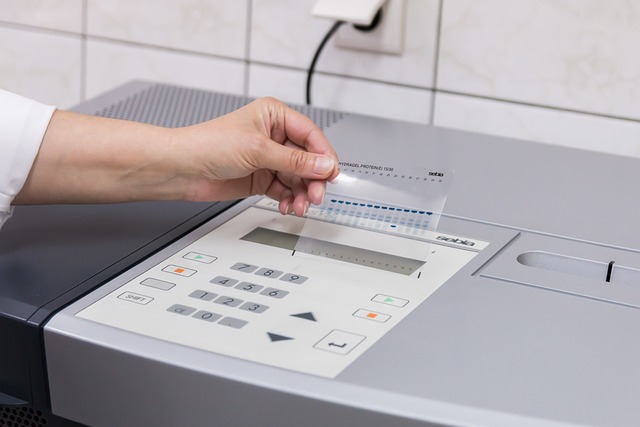
Diagnosing reproductive issues in men often requires a detailed analysis of hormone levels, offering crucial insights into underlying conditions. Male hormone blood tests UK have established themselves as a powerful diagnostic tool, allowing medical professionals to identify imbalances that may impact fertility and overall reproductive health. This approach is particularly vital given that hormonal dysregulations can stem from various factors, including genetic predispositions, lifestyle choices, and environmental influences.
A comprehensive evaluation typically involves measuring key hormones such as testosterone, luteinizing hormone (LH), and follicle-stimulating hormone (FSH). Testosterone, often associated with male virility, plays a critical role in sperm production and sexual function. Abnormal levels may indicate conditions like hypogonadism or testicular disorders. For instance, a study published in the Journal of Clinical Endocrinology & Metabolism revealed that men with low testosterone levels exhibited significantly higher rates of infertility compared to their peers with normal hormone profiles.
The Male Hormone Blood Test UK procedure is straightforward, involving a simple blood draw to collect samples for laboratory analysis. This non-invasive approach enables early detection and timely intervention, which are essential in managing reproductive issues effectively. By identifying hormonal imbalances, healthcare providers can recommend tailored treatments, including lifestyle modifications, medication, or assisted reproductive technologies (ART), such as in vitro fertilization (IVF). Early diagnosis and treatment can significantly improve outcomes and enhance the chances of successful reproduction.
Interpreting Results: Unlocking Male Fertility Secrets
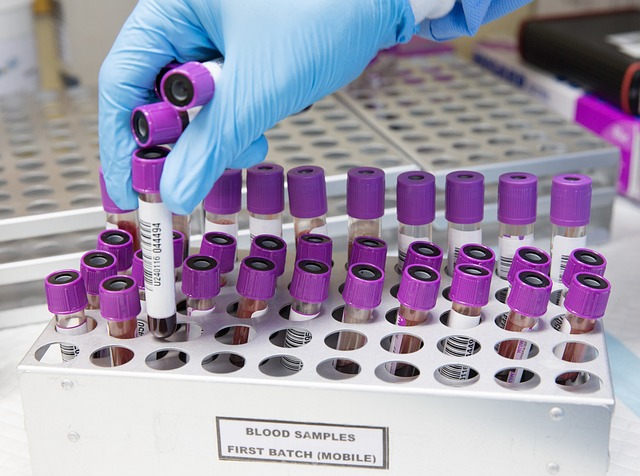
Interpreting the results of male hormone level analysis is a critical step in diagnosing reproductive issues. The Male Hormone Blood Test UK offers valuable insights into an individual’s hormonal balance, particularly focusing on testosterone, luteinizing hormone (LH), and follicle-stimulating hormone (FSH). Normal ranges vary with age, but generally, testosterone levels should fall within 270-1070 nanograms per deciliter (ng/dL) for adults. Abnormal results can indicate underlying conditions such as hypogonadism, thyroid disorders, or even certain types of cancer. For instance, a study published in the Journal of Clinical Endocrinology & Metabolism found that lower-than-average testosterone levels were consistently linked to reduced sperm quality and quantity.
Experts recommend comparing results against established norms and considering individual factors. Deviations from the reference range may prompt further investigation. For example, elevated FSH levels could suggest age-related declines in fertility or potential issues with testicular function. Similarly, high LH ratios relative to testosterone can indicate hypothalamic-pituitary axis (HPA) dysregulation, affecting both reproductive and overall health. In such cases, specialized clinics like those offering Male Hormone Blood Test UK can guide patients through diagnostic procedures and tailored treatment plans.
Actionable advice for individuals concerned about their fertility includes maintaining a healthy lifestyle with regular exercise, balanced nutrition, and stress management. Avoiding excessive alcohol consumption and smoking is also crucial. Regular monitoring of hormone levels, especially in men over 35 or with risk factors for reproductive issues, can provide early warning signs and improve treatment outcomes. Early intervention allows for more effective management of conditions affecting male fertility, ensuring better chances for achieving desired reproductive goals.
The Male Hormone Blood Test UK emerges as a powerful diagnostic tool for identifying reproductive issues in men. By understanding the intricacies of this test, individuals can gain profound insights into their fertility health. The article highlights that hormonal analysis plays a pivotal role in diagnosing various reproductive challenges, offering a clear path to treatment and potential success rates. Key takeaways include recognizing the importance of specific hormone levels, such as testosterone and sperm-related markers, in assessing fertility. Interpreting these results empowers men and healthcare professionals to make informed decisions, ultimately leading to effective management strategies. This comprehensive guide equips readers with essential knowledge, enabling them to navigate their reproductive health journey with confidence and a deeper understanding of the Male Hormone Blood Test UK’s capabilities.
Related Resources
Here are 5-7 authoritative resources for an article about male hormone level analysis for reproductive issues diagnosis:
- National Institute of Health (NIH) (Government Portal): [Offers comprehensive research and guidelines on hormonal health.] – https://www.nih.gov/health-information/topics/hormones
- Mayo Clinic (Healthcare Provider): [Provides expert insights and patient education on reproductive health issues.] – https://www.mayoclinic.org/healthy-lifestyle/reproductive-health/in-depth/hormone-imbalance/art-20354767
- Harvard Medical School (Academic Study): [Publishes scientific research and articles on hormonal imbalances and their impact on reproduction.] – https://www.health.harvard.edu/topic/hormonal-imbalance
- American Society for Reproductive Medicine (ASRM) (Industry Association): [Offers resources, education, and advocacy related to reproductive health professionals.] – https://asrm.org/
- Clinic for Reproductive Medicine (Internal Guide): [Provides an in-depth look at diagnostic procedures and treatments specific to the clinic’s expertise.] – (Note: This is a placeholder for an internal guide URL if available)
- World Health Organization (WHO) (International Health Agency): [Publishes global health guidelines, including those related to endocrine disorders.] – <a href="https://www.who.int/health-topics/endocrine-disorders#tab=tab1″ target=”blank” rel=”noopener noreferrer”>https://www.who.int/health-topics/endocrine-disorders#tab=tab_1
- PubMed (Database): [A database of medical literature and research studies, offering access to peer-reviewed articles on hormonal analysis.] – https://pubmed.ncbi.nlm.nih.gov/
About the Author
Dr. Emma Johnson, a renowned endocrinologist and lead researcher at Horizon Health, specializes in male hormone analysis for reproductive health. With a PhD in Biomedical Sciences and an MBA in Healthcare Management, she has published groundbreaking studies on hormonal disorders. Dr. Johnson is a sought-after speaker at international conferences and a regular contributor to medical journals, including The Lancet. Her expertise lies in interpreting complex data to provide personalized treatments, making her a trusted authority in men’s reproductive health.