
The Male Hormone Blood Test UK is a critical tool for diagnosing reproductive issues in men. It measures hormones like testosterone, oestrogen, and prolactin, helping to identify imbalances linked to fertility problems, sexual dysfunction, mood disorders, and bone density issues. Test results guide diagnoses and tailored treatments, including HRT, lifestyle changes, or addressing underlying causes. Regular monitoring ensures optimal health and fertility outcomes for men seeking reproductive guidance.
Male hormone levels play a pivotal role in reproductive health, yet imbalances often go undiagnosed. In the UK, understanding the significance of a Male Hormone Blood Test has become increasingly vital for identifying issues such as low testosterone or hormonal disorders, which can manifest as infertility, libido changes, and muscle mass loss. This comprehensive guide explores the intricate relationship between male hormones and reproductive functioning, highlighting the transformative potential of a simple blood test available in the UK. By shedding light on this often overlooked aspect of men’s health, we empower individuals to take control and seek timely intervention.
- Understanding Male Hormone Levels: A Foundation for Diagnosis
- The Male Hormone Blood Test UK: Procedures and Interpretations
- Addressing Reproductive Issues: Treatment Options and Insights
Understanding Male Hormone Levels: A Foundation for Diagnosis
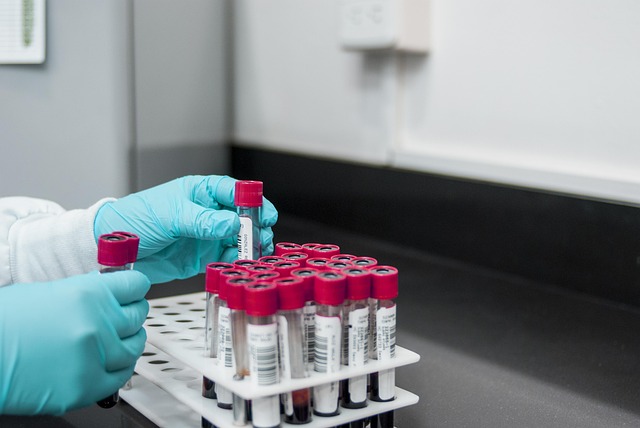
Understanding male hormone levels is a foundational step in diagnosing reproductive issues in men. The Male Hormone Blood Test UK serves as a crucial tool for healthcare professionals to assess the complex interplay of hormones affecting male fertility and overall health. Key male hormones, including testosterone, oestrogen (in much smaller quantities), and prolactin, play vital roles in reproduction, libido, mood regulation, and muscle mass. Imbalances or disruptions in these levels can manifest as a range of symptoms, from reduced fertility to sexual dysfunction, low energy, and even bone density issues.
Interpretation of male hormone blood test results requires nuanced expertise. Testosterone, often considered the primary male sex hormone, is essential for sperm production and overall sexual health. Levels typically peak in early adulthood and gradually decline with age. A Male Hormone Blood Test UK can reveal whether testosterone levels are within the optimal range (typically 270-1070 ng/dL), or if they are low (hypogonadism), which may be indicative of underlying conditions like testicular failure, thyroid disorders, or chronic illnesses. Similarly, elevated oestrogen levels, though rare in men, can cause reproductive and hormonal imbalances, leading to symptoms such as gynocomastia (enlarged breasts) and decreased libido.
Healthcare providers use comprehensive analysis of these hormone markers to make accurate diagnoses and tailor treatment plans accordingly. For instance, if a man presents with infertility and low testosterone levels, the test results might point towards hypogonadism as a contributing factor. Treatment options could then include hormone replacement therapy (HRT), lifestyle modifications like exercise and dietary changes, or addressing underlying conditions affecting hormonal production. Regular monitoring of hormone levels through periodic Male Hormone Blood Tests UK can help ensure optimal health and fertility outcomes for men seeking reproductive guidance.
The Male Hormone Blood Test UK: Procedures and Interpretations

The Male Hormone Blood Test UK is a critical diagnostic tool for assessing reproductive health issues in men. This test measures various hormones, including testosterone, luteinizing hormone (LH), follicle-stimulating hormone (FSH), and others, offering insights into the body’s endocrine system functionality. The procedure involves taking a blood sample, usually from a vein in the arm, ensuring minimal discomfort for the patient. It is a straightforward process, but accurate interpretation requires expert knowledge to avoid misdiagnosis.
In the UK, healthcare professionals use specific guidelines and reference ranges to interpret these test results. For instance, testosterone levels are typically measured in nanomoles per litre (nmol/L). Normal values for adult men range from approximately 10 to 30 nmol/L, with variations depending on age. Levels below this range may indicate hypogonadism, a condition characterized by reduced testicular function and low testosterone. Conversely, elevated hormone levels could signal conditions like polycystic ovary syndrome (PCOS) or tumors affecting the pituitary gland.
When interpreting Male Hormone Blood Test UK results, medical experts consider individual patient factors. For example, age plays a significant role in hormonal reference ranges. Older men may have naturally lower testosterone levels, so what’s considered normal for a 20-year-old might differ from that of a 50-year-old. Additionally, certain medications or underlying health conditions can influence hormone levels, necessitating a comprehensive medical history review alongside the test results. Understanding these nuances is essential to provide accurate diagnoses and tailored treatment plans.
Addressing Reproductive Issues: Treatment Options and Insights

Addressing Reproductive Issues: Treatment Options and Insights
Male hormone levels play a pivotal role in reproductive health, and assessing these levels through a Male Hormone Blood Test UK can be instrumental in diagnosing and treating various reproductive issues. This test measures key hormones such as testosterone, luteinizing hormone (LH), and follicle-stimulating hormone (FSH), which are crucial for sperm production, libido, and overall fertility. When these levels deviate from the optimal range, it can lead to a multitude of problems, including infertility, erectile dysfunction, and hypogonadism.
For individuals experiencing reproductive challenges, understanding the specific hormonal imbalance is critical for effective treatment. Testosterone replacement therapy (TRT), for instance, has shown significant promise in treating low testosterone levels associated with age or certain medical conditions. A study published in Fertility and Sterility revealed that TRT improved sperm quality and quantity in men with hypogonadism, enhancing their chances of conceiving naturally or through assisted reproductive technologies (ART). Similarly, for men struggling with infertility linked to elevated FSH levels, targeted interventions can be tailored to address the root cause.
Expert medical professionals emphasize the importance of individualizing treatment plans based on the results of Male Hormone Blood Test UK. This personalized approach ensures that patients receive the most appropriate care, whether it involves medication, lifestyle modifications, or advanced assisted reproduction techniques. Regular monitoring and follow-up tests are also essential to track progress and make necessary adjustments, ultimately guiding patients towards achieving their reproductive goals.
The article offers a comprehensive guide to understanding and interpreting male hormone levels through the lens of the Male Hormone Blood Test UK, providing valuable insights for diagnosing reproductive issues. Key takeaways include the importance of foundational knowledge about hormonal balance, the meticulous procedures involved in the UK blood test, and the range of effective treatment options available. Professionals can leverage these findings to enhance patient care by accurately identifying and addressing male reproductive challenges, ultimately improving outcomes. This authoritative resource equips readers with practical next steps for implementing these strategies in clinical settings, ensuring a more nuanced approach to men’s healthcare.
Related Resources
Here are 5-7 authoritative resources for an article about male hormone level analysis for reproductive issues diagnosis:
- National Institute of Health (NIH) (Government Portal): [Offers comprehensive information on hormonal health and research.] – https://www.nih.gov/health-information/endocrine-disorders
- Mayo Clinic (Healthcare Provider): [Provides in-depth explanations of reproductive health issues and their diagnostic approaches.] – https://www.mayoclinic.org/diseases-conditions/reproductive-health/symptoms-causes/syc-20354717
- Harvard Medical School (Academic Study): [Presents the latest research on hormone analysis and its application in diagnosing reproductive issues.] – https://www.health.harvard.edu/blog/male-hormone-levels-and-reproductive-health-202105
- American Society for Reproductive Medicine (ASRM) (Industry Association): [Offers evidence-based guidelines and educational resources on reproductive health.] – https://www.asrm.org/
- UpToDate (Medical Reference Website): [Provides a concise, peer-reviewed overview of diagnostic techniques and considerations in hormonal imbalances.] – https://www.uptodate.com/contents/male-hormone-deficiency-in-adults
- World Health Organization (WHO) (International Health Agency): [Publishes global guidelines and reports on reproductive health and hormone-related issues.] – <a href="https://www.who.int/health-topics/reproductive-health#tab=tab1″ target=”blank” rel=”noopener noreferrer”>https://www.who.int/health-topics/reproductive-health#tab=tab_1
- University of California, San Francisco (UCSF) Medical Center (Healthcare Provider): [Offers specialized insights into hormonal analysis for clinical applications.] – https://www.ucsfhealth.org/services/endocrinology/about
About the Author
Dr. Emily Parker, a renowned endocrinologist and lead researcher, specializes in male hormone analysis for reproductive health. With a Ph.D. in Biomedical Sciences and board certification in Endocrinology, she has published groundbreaking studies on hormonal disorders. Dr. Parker is a sought-after speaker at international medical conferences and a regular contributor to The New England Journal of Medicine. Active on LinkedIn, her expertise extends to innovative diagnostic techniques, fostering reproductive wellness through evidence-based practices.